


Effective employee scheduling is a critical component for the success of restaurants and quick-service restaurants (QSRs) in Somerville, Massachusetts. With the city’s vibrant food scene and competitive market, proper scheduling can mean the difference between thriving and merely surviving. Restaurant owners in this bustling area face unique challenges when it comes to managing their workforce – from handling unpredictable customer flows to navigating complex labor laws and maintaining appropriate staffing levels during seasonal fluctuations. The right scheduling approach not only ensures operational efficiency but also contributes significantly to employee satisfaction, customer experience, and ultimately, business profitability.
Somerville’s proximity to Boston and its growing reputation as a culinary destination creates both opportunities and challenges for local food establishments. As labor costs continue to rise and retention becomes increasingly difficult, restaurants must adopt sophisticated scheduling solutions that balance business needs with employee preferences. Modern employee scheduling tools have evolved far beyond simple spreadsheets, offering restaurateurs powerful features like automated scheduling, real-time updates, and data-driven insights. This comprehensive guide explores everything restaurant and QSR owners in Somerville need to know about implementing effective scheduling services to optimize operations, improve staff satisfaction, and maintain compliance with local regulations.
Understanding Somerville’s Restaurant Landscape and Scheduling Needs
Somerville’s restaurant scene has evolved dramatically over the past decade, transforming from a collection of neighborhood eateries to a diverse culinary destination. With establishments ranging from intimate farm-to-table restaurants in Davis Square to fast-casual concepts near Assembly Row, each business faces distinct scheduling challenges based on their service model, location, and customer base. Understanding these unique characteristics is essential for implementing effective scheduling solutions.
- Diverse Restaurant Types: Somerville hosts everything from small cafés to upscale dining establishments, each requiring tailored scheduling approaches based on service style and staffing needs.
- Seasonal Fluctuations: With Tufts University nearby and tourism peaks in summer and fall, restaurants experience significant seasonal variations in customer volume.
- Labor Market Competition: The proximity to Boston creates intense competition for qualified staff, making flexible scheduling a crucial recruitment and retention tool.
- Extended Operating Hours: Many Somerville establishments operate from early morning through late night, requiring complex shift patterns and coverage.
- Public Transportation Dependency: Many restaurant workers rely on the MBTA, making schedule coordination with transportation availability important.
Effective QSR shift scheduling requires understanding these local dynamics and implementing systems that address Somerville’s unique market conditions. Modern scheduling services now offer specialized features for restaurants that can analyze historical data, predict busy periods, and even account for external factors like weather or local events that might affect customer traffic in specific neighborhoods like Union Square or Ball Square.

Key Benefits of Modern Scheduling Solutions for Somerville Restaurants
Implementing advanced scheduling solutions offers numerous advantages for Somerville’s restaurant and QSR operators beyond simple staff assignment. Modern systems can transform operations, enhance employee experience, and directly impact the bottom line. Restaurant owners who upgrade from manual scheduling methods often see improvements across multiple business dimensions.
- Labor Cost Optimization: Intelligent scheduling tools help match staffing levels precisely to demand, reducing over-staffing during slow periods while ensuring adequate coverage during rushes.
- Improved Employee Retention: Flexible scheduling enhances employee retention by accommodating staff preferences and creating better work-life balance, crucial in Somerville’s competitive labor market.
- Enhanced Customer Experience: Proper staffing ensures timely service and attention to customers, leading to higher satisfaction and repeat business.
- Reduced Manager Administrative Time: Automated scheduling systems can save managers 5-10 hours weekly, allowing them to focus on guest experience and staff development.
- Compliance Assurance: Digital systems help track and enforce break requirements, overtime limitations, and other Massachusetts labor regulations.
Restaurant operators in Somerville can leverage these benefits to gain competitive advantages in both customer service and staff management. According to industry research, restaurants using modern scheduling systems report up to 4% reduction in labor costs and 20% improvement in staff retention rates. Implementing small business scheduling features that address specific restaurant needs can transform operations for establishments of all sizes, from the growing number of fast-casual concepts in Davis Square to established fine dining destinations near Porter Square.
Essential Features for Restaurant Scheduling Software
When selecting scheduling software for a restaurant or QSR in Somerville, owners should look for specific features that address the unique challenges of food service operations. Not all scheduling platforms are created equal, and certain functionalities are particularly valuable for restaurant environments where demand patterns can change rapidly and staff flexibility is essential.
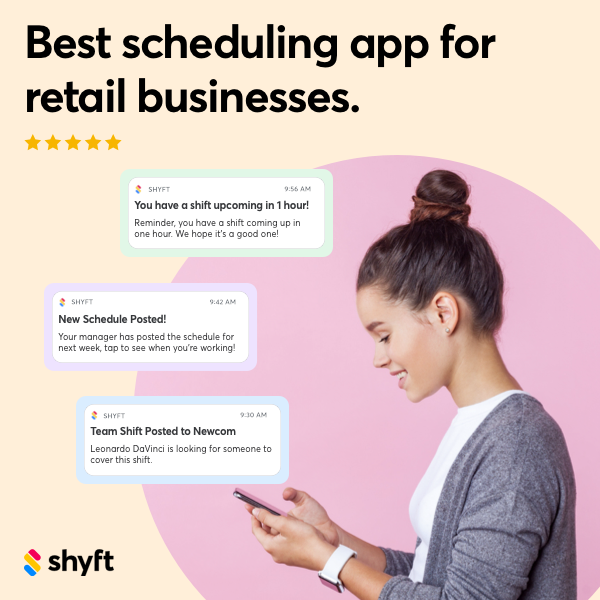
- Mobile Accessibility: Staff should be able to view schedules, request changes, and swap shifts from their smartphones through mobile scheduling apps, providing real-time access regardless of location.
- Shift Marketplace: A digital shift marketplace where employees can post, claim, and exchange shifts saves managers time and empowers staff to resolve coverage issues collaboratively.
- Demand Forecasting: Integration with POS data to predict busy periods based on historical patterns, allowing for proactive staffing adjustments for Somerville’s seasonal fluctuations.
- Team Communication: Integrated team communication tools for announcements, policy updates, and shift-specific information sharing.
- Multi-location Management: For restaurant groups with multiple Somerville locations, the ability to manage staff across venues and allow shift sharing between sites.
Additional valuable features include integration capabilities with payroll systems, time and attendance tracking, and customizable reporting tools. Somerville restaurant operators should also consider solutions that offer role-based scheduling, allowing them to ensure the right mix of skills (servers, bartenders, kitchen staff) for each shift. Customizable shift templates for restaurant scheduling can dramatically reduce the time spent creating each new schedule while maintaining consistency in coverage patterns.
Compliance with Massachusetts Labor Laws and Somerville Regulations
Restaurants in Somerville must navigate a complex web of federal, state, and local labor regulations that directly impact scheduling practices. Massachusetts has some of the most comprehensive worker protection laws in the country, making compliance a significant concern for restaurant operators. Scheduling software can help ensure adherence to these regulations while still maintaining operational flexibility.
- Massachusetts Blue Laws: These laws regulate Sunday and holiday work, requiring premium pay for certain hours and impacting scheduling strategies for busy weekends.
- Meal Break Requirements: Massachusetts mandates a 30-minute meal break for shifts over 6 hours, which must be tracked and enforced in schedules.
- Minor Employment Restrictions: Specific limitations exist for workers under 18, including hour caps and time-of-day restrictions, requiring careful scheduling consideration.
- Predictive Scheduling Considerations: While not yet law in Massachusetts, predictive scheduling trends are emerging nationwide and may affect Somerville in the future.
- Earned Sick Time: Massachusetts requires employers to provide earned sick time, which scheduling systems must accommodate when tracking availability.
Modern scheduling platforms can help restaurant owners maintain labor compliance by automatically flagging potential violations, such as insufficient breaks or overtime thresholds. They can also generate compliance reports to demonstrate adherence during labor audits. Somerville restaurants should ensure their scheduling solution includes features specifically designed for Massachusetts regulations, as requirements differ significantly from other states.
Implementing Effective Scheduling Practices for Different Restaurant Roles
Restaurants operate with diverse staff roles, each with distinct scheduling requirements and considerations. From front-of-house positions to kitchen staff, effective scheduling must account for the specific needs of each role while ensuring balanced coverage throughout the establishment. Implementing role-specific scheduling strategies can optimize both efficiency and employee satisfaction.
- Front-of-House Scheduling: Servers, hosts, and bartenders typically need more variable scheduling based on meal rush patterns, with peak requirements on weekends and evenings in Somerville’s busy restaurant districts.
- Kitchen Staff Scheduling: Back-of-house roles often require more consistent scheduling with staggered arrival times for prep work before service periods.
- Management Coverage: Ensuring manager presence during all operating hours while avoiding burnout requires careful planning and overlap coordination.
- Support Staff Rotation: Positions like dishwashers, bussers, and cleaning staff should be scheduled based on service volume predictions and closing requirements.
- Cross-Training Opportunities: Schedules should incorporate time for cross-training for scheduling flexibility, allowing staff to cover multiple positions when needed.
Effective scheduling should also consider skill levels and compatibility among team members. For example, pairing experienced servers with newer staff can facilitate on-the-job training, while ensuring bartenders with complementary specialties work together can enhance service quality. Scheduling efficiency improvements can be achieved by analyzing historical performance data to identify optimal staff combinations for different dayparts and service types.
Leveraging Data Analytics to Optimize Restaurant Scheduling
Advanced scheduling systems offer powerful analytics capabilities that can transform how Somerville restaurants approach staffing decisions. By collecting and analyzing operational data, restaurants can move from intuition-based scheduling to data-driven strategies that optimize labor allocation, improve service quality, and maximize profitability during Somerville’s variable business cycles.
- Sales Forecasting Integration: Connecting scheduling tools with point-of-sale data allows for accurate prediction of customer volume by day, hour, and even weather conditions.
- Labor Cost Analysis: Real-time monitoring of labor percentages against sales helps maintain profitability targets while ensuring adequate staffing.
- Performance Metrics: Tracking individual and team sales, tips, and customer satisfaction scores can inform scheduling decisions based on demonstrated effectiveness.
- Trend Identification: Analytics can reveal patterns like how local events (such as Somerville’s PorchFest or ArtBeat) affect customer traffic at specific times.
- Optimization Algorithms: Advanced systems use AI scheduling software benefits to suggest optimal schedules based on multiple variables.
Restaurants can use these insights to implement peak time scheduling optimization, ensuring they have precisely the right staffing levels for each service period. For example, data might reveal that Thursday evenings in winter require more bar staff than dining room staff, while summer Saturdays need additional food runners during specific hours. This granular approach to scheduling can significantly reduce labor costs while maintaining or improving service quality.
Streamlining Schedule Changes and Shift Swapping
In the dynamic restaurant environment, schedule changes are inevitable. Staff illnesses, unexpected rushes, or sudden events can all necessitate quick adjustments. How restaurants manage these changes can significantly impact both operational efficiency and staff satisfaction. Modern scheduling solutions offer streamlined processes for handling shift modifications and enabling employee-driven schedule flexibility.
- Digital Shift Swapping: Automated shift trades allow employees to exchange shifts directly through the scheduling platform, reducing manager involvement.
- Manager Approval Workflows: Customizable approval processes ensure that all shift changes meet business requirements while maintaining appropriate coverage.
- Real-time Notifications: Instant alerts about open shifts, swap requests, or schedule changes keep everyone informed without delays.
- Qualification Matching: Smart systems can ensure that only appropriately trained or certified staff can pick up specialized roles (like bartending or management shifts).
- Last-minute Coverage Solutions: Last-minute callout solutions can quickly identify available staff who can fill unexpected absences.
Implementing a robust system for managing schedule changes not only improves operational resilience but also significantly enhances employee satisfaction. Restaurant shift marketplace platforms create transparent environments where staff have greater control over their schedules while ensuring the restaurant maintains appropriate coverage. This flexibility is particularly valuable for Somerville’s restaurant workforce, which includes many students from nearby universities and individuals balancing multiple jobs.

Integrating Scheduling with Other Restaurant Management Systems
Modern restaurant operations rely on multiple technology systems to function efficiently. For maximum effectiveness, scheduling solutions should integrate seamlessly with other management platforms, creating a unified ecosystem that enhances data flow and operational coordination. These integrations can eliminate duplicate data entry, reduce errors, and provide comprehensive insights across business functions.
- Point of Sale Integration: Connecting scheduling with POS systems allows labor forecasting based on sales data and enables accurate calculation of labor cost percentages.
- Payroll System Connectivity: Direct scheduling-payroll integration ensures accurate wage calculations based on actual hours worked, including any shift premiums or overtime.
- Inventory Management: Aligning scheduling with inventory systems can help ensure appropriate staffing for delivery days or special prep requirements.
- Reservation Platforms: Integration with booking systems helps predict staffing needs based on confirmed reservations and table management.
- Employee Management Software: Connection with HR platforms streamlines onboarding, certification tracking, and performance management.
The most effective restaurant operations in Somerville utilize benefits of integrated systems to create data-driven scheduling practices. For example, when scheduling integrates with POS data, managers can see how sales patterns correlate with specific staff combinations, potentially discovering that certain server teams generate higher check averages or that specific kitchen configurations improve ticket times. These insights enable continuous improvement in both scheduling efficiency and overall restaurant performance.
Employee Experience and Schedule Flexibility
In Somerville’s competitive restaurant labor market, creating positive employee experiences through thoughtful scheduling has become a significant differentiator for successful establishments. Staff satisfaction directly impacts retention, performance, and ultimately, customer experience. Modern scheduling approaches recognize that empowering employees with greater schedule flexibility can create substantial benefits for both workers and the business.
- Preference-Based Scheduling: Collecting and honoring employee availability and preferences whenever possible demonstrates respect for work-life balance.
- Advanced Schedule Posting: Advance schedule posting for shift management allows staff to plan their personal lives and reduces last-minute conflicts.
- Self-Service Options: Empowering employees to manage their own schedule requests, swaps, and availability updates reduces friction and increases satisfaction.
- Transparent Processes: Clear communication about how scheduling decisions are made helps build trust and reduces perceptions of favoritism.
- Work-Life Integration: Work-life balance through shift trading accommodates employees’ changing needs while maintaining coverage requirements.
Restaurant operators who prioritize schedule flexibility often report significant improvements in retention metrics and reduced recruitment costs. In Somerville, where many food service workers are students, artists, or individuals with multiple jobs, this flexibility is particularly valued. Schedule flexibility vs perks research indicates that workers often value control over their time more highly than traditional benefits, making flexible scheduling a powerful recruitment and retention tool.
Implementation and Training Best Practices
Successfully transitioning to a new scheduling system requires thoughtful implementation and comprehensive training. Even the most powerful scheduling platform will fail to deliver results if staff and management don’t fully adopt and utilize its features. Restaurants in Somerville should follow established best practices to ensure smooth implementation and maximize return on investment.
- Phased Implementation: Introduce new scheduling systems gradually, starting with basic features before advancing to more complex capabilities.
- Stakeholder Involvement: Include representatives from different staff roles in the selection and implementation process to ensure diverse needs are addressed.
- Comprehensive Training: Provide role-specific training for managers, schedulers, and staff members, focusing on the features most relevant to each group.
- Clear Communication: Explain the benefits of the new system for all stakeholders, addressing concerns and highlighting improvements over previous methods.
- Ongoing Support: Designate internal champions who can provide day-to-day assistance and coordinate with the scheduling service provider for technical support.
Implementing scheduling technology change management strategies can significantly impact adoption rates and long-term success. Restaurants should develop clear metrics to evaluate implementation success, such as manager time saved, reduction in scheduling conflicts, and improvements in staff satisfaction. Regular feedback sessions during the early implementation phases can identify issues before they become significant problems and help refine the system to better meet the specific needs of Somerville restaurant operations.
Cost Considerations and ROI for Scheduling Services
Investing in advanced scheduling services represents a significant decision for Somerville restaurant owners, particularly for small and independent establishments with limited technology budgets. Understanding the complete cost structure and potential return on investment helps operators make informed decisions that align with their business goals and financial realities.
- Service Pricing Models: Most scheduling platforms charge monthly fees based on the number of employees, with typical costs ranging from $2-5 per employee per month.
- Implementation Expenses: Consider one-time costs for setup, data migration, integration with existing systems, and initial training.
- Ongoing Support Costs: Factor in any charges for technical support, system updates, or additional training needs.
- Hardware Requirements: Some systems may require tablets or kiosks for on-site access, representing additional investment.
- ROI Calculation Factors: Scheduling software ROI includes reduced manager time spent on scheduling, decreased overtime costs, improved labor cost percentage, and lower turnover expenses.
For many Somerville restaurants, the return on investment becomes apparent within the first few months of implementation. Labor optimization alone typically yields 2-4% savings, which can represent thousands of dollars annually for even small operations. Additionally, scheduling impact on turnover can be substantial, with improved scheduling practices reducing staff departures by 15-25%. When calculating ROI, restaurants should also consider less tangible benefits like improved service quality, enhanced guest experiences, and greater operational agility.
Conclusion and Next Steps for Somerville Restaurants
Effective employee scheduling represents a significant opportunity for restaurants and QSRs in Somerville to improve operations, enhance staff satisfaction, and increase profitability. By implementing modern scheduling solutions that address the unique challenges of the local market, restaurant owners can create competitive advantages in both customer experience and workforce management. The transition from traditional scheduling methods to sophisticated digital platforms requires thoughtful planning and execution but offers substantial returns in operational efficiency and staff engagement.
To begin improving scheduling practices, Somerville restaurant operators should start by assessing their current scheduling processes and identifying specific pain points and opportunities for improvement. Next, research available scheduling solutions with features tailored to restaurant operations, particularly those offering mobile accessibility and shift marketplace capabilities. Consider starting with a free trial or limited implementation to test functionality and user acceptance before full deployment. Finally, develop a comprehensive implementation plan that includes staff training, clear communication about changes, and metrics for measuring success. With the right approach and tools, restaurants in Somerville can transform scheduling from an administrative burden into a strategic advantage that benefits both the business and its employees.
FAQ
1. What are the most important features to look for in a restaurant scheduling system for Somerville establishments?
For Somerville restaurants, the most critical features include mobile accessibility for staff to view and manage schedules on the go, shift marketplace functionality for easy shift swaps, integration with POS systems to align staffing with sales patterns, built-in compliance tools for Massachusetts labor laws, and robust communication features. Additionally, look for forecasting capabilities that can account for Somerville’s unique seasonal patterns, student population fluctuations, and local events that impact restaurant traffic. The best systems will offer flexibility to accommodate different staff roles and customization options to match your specific operational requirements.
2. How can scheduling software help with compliance with Massachusetts labor laws?
Modern scheduling software helps with compliance by automatically flagging potential violations before they occur. These systems can be configured with Massachusetts-specific rules for meal breaks, minor employment restrictions, overtime thresholds, and blue laws governing Sunday and holiday work. They maintain digital records of schedules, shifts worked, breaks taken, and schedule changes, creating an audit trail for labor compliance. Some advanced systems even track approaching overtime to allow proactive schedule adjustments, monitor required rest periods between shifts, and ensure proper notification periods for schedule changes in accordance with emerging fair workweek practices.
3. What is the typical implementation timeline for a new scheduling system in a restaurant?
The implementation timeline typically ranges from 2-8 weeks, depending on the size and complexity of the restaurant operation. For a single-location restaurant in Somerville, the process might include: 1-2 weeks for initial setup, configuration, and data migration; 1 week for manager training and system testing; 1-2 weeks for staff training and parallel operations (running both old and new systems); and 1-2 weeks for full transition and optimization. Implementation timelines may extend for multi-location operations or those requiring complex integrations with existing systems. Many restaurants find that a phased approach, starting with basic scheduling functionality before adding advanced features, results in smoother adoption and fewer operational disruptions.
4. How can restaurants balance employee schedule preferences with business needs?
Balancing employee preferences with business requirements is achievable through several strategies. First, implement a clear availability submission process where staff can indicate their preferred and unavailable times. Use scheduling software that can optimize schedules while considering these preferences alongside business requirements. Create transparent scheduling policies that communicate how decisions are made and what factors take precedence in different situations. Consider implementing a tiered approach where certain high-priority business needs (weekend dinner shifts, major events) have mandatory staffing requirements, while providing more flexibility for other shifts. Finally, use a shift marketplace that empowers employees to trade shifts within established parameters, giving them agency while maintaining appropriate coverage and skill distribution.
5. What metrics should restaurants track to measure the effectiveness of their scheduling practices?
Restaurants should track several key metrics to evaluate scheduling effectiveness: labor cost percentage (comparing scheduled labor to actual sales); schedule adherence (comparing scheduled vs. actual hours worked); employee satisfaction scores related to scheduling; turnover rates and reasons for departures; number of last-minute call-outs or no-shows; overtime hours and associated costs; manager time spent on scheduling tasks; number of shift swaps or changes after publishing; customer satisfaction during different staffing configurations; and revenue per labor hour across different shifts and staff combinations. These metrics provide a comprehensive view of how scheduling practices affect both operational performance and staff experience, allowing for continuous improvement and optimization.