


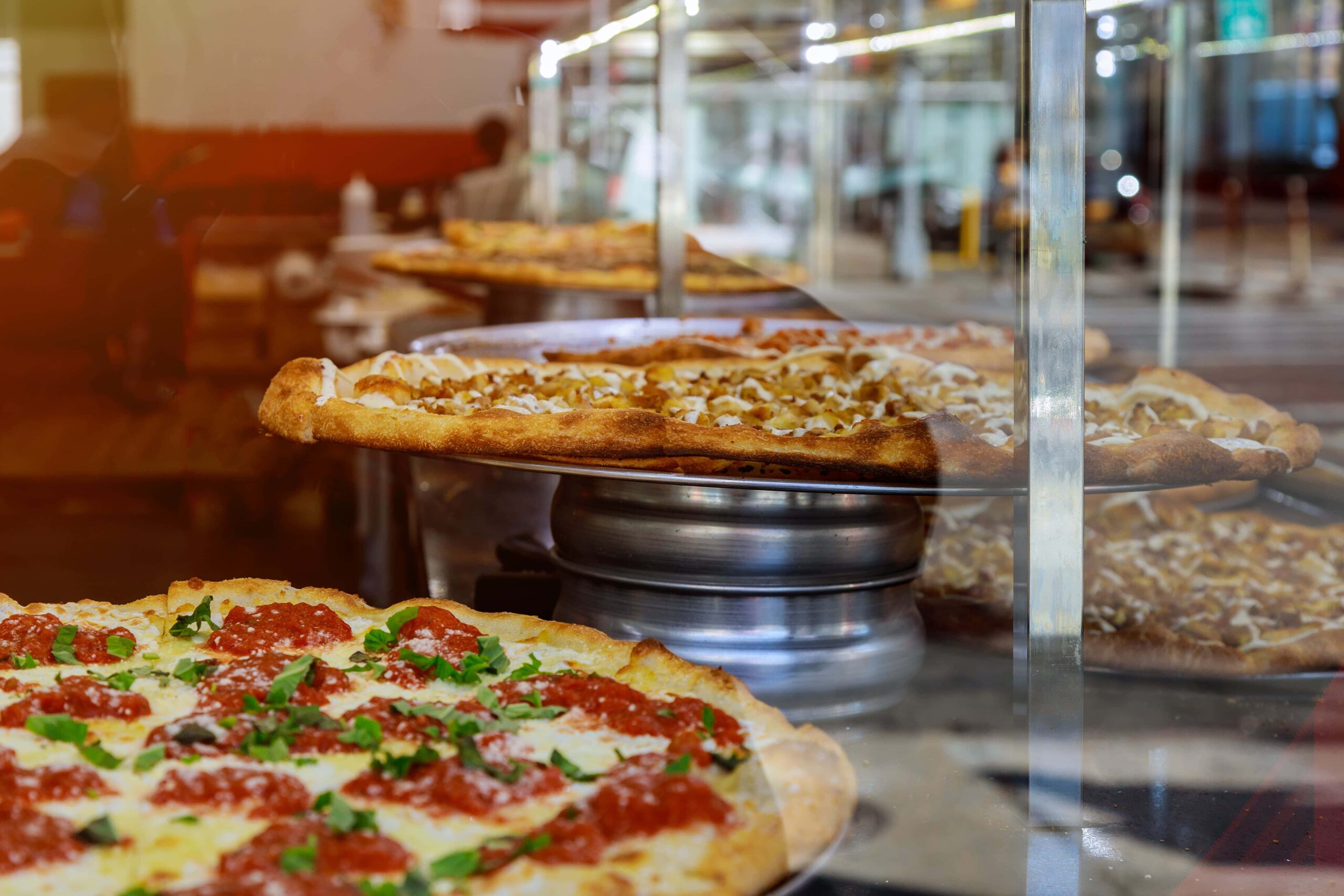
Efficient employee scheduling is critical for the success of restaurants and quick-service restaurants (QSRs) in Miami Gardens, Florida. With the city’s diverse culinary scene and competitive hospitality industry, restaurant owners face unique challenges in optimizing staff schedules to meet fluctuating customer demand while controlling labor costs. The right scheduling solution can transform operations, reduce overtime expenses, and improve both employee satisfaction and customer service quality. Small business owners in the restaurant sector must navigate seasonal tourism patterns, local events, and Miami Gardens’ specific labor regulations while maintaining the flexibility to adapt to unexpected changes in staffing needs.
Modern scheduling services have evolved beyond simple spreadsheets to offer comprehensive solutions tailored to the restaurant industry’s specific needs. These platforms provide Miami Gardens restaurant operators with powerful tools for forecasting demand, managing employee availability, and ensuring appropriate staffing levels during peak hours. Implementing employee scheduling software that integrates with point-of-sale systems and payroll can significantly streamline operations and provide valuable data insights. For small business owners juggling multiple responsibilities, the right scheduling solution can free up valuable time while improving overall business performance and compliance with Miami-Dade County’s labor regulations.
Understanding the Restaurant Landscape in Miami Gardens
Miami Gardens presents a unique environment for restaurant and QSR operations, with its diverse population of approximately 110,000 residents and proximity to major venues like Hard Rock Stadium. The local restaurant industry ranges from family-owned eateries to franchise operations, each requiring tailored scheduling approaches to meet their specific business models. Understanding the local market dynamics is essential for creating effective staffing strategies that account for event-driven traffic surges, seasonal patterns, and neighborhood-specific customer behaviors.
- Diverse Dining Landscape: Miami Gardens hosts everything from quick-service chains to authentic Caribbean restaurants and family-owned establishments, each with unique staffing needs.
- Event-Driven Demand: Major events at Hard Rock Stadium create significant spikes in customer traffic requiring precise staff scheduling.
- Competitive Labor Market: Restaurants must compete for quality staff with nearby hospitality-dense areas like Miami Beach and downtown Miami.
- Cultural Diversity: The multicultural workforce requires scheduling systems that can accommodate language preferences and cultural considerations.
- Weather Impacts: Seasonal weather patterns, including hurricane season, influence both customer traffic and staff availability.
Restaurant owners in Miami Gardens must implement shift planning strategies that account for these unique market characteristics. By leveraging data-driven scheduling tools, businesses can better predict staffing needs during Miami Dolphins home games, summer tourism increases, or local cultural events that drive customer traffic to area restaurants.

Common Scheduling Challenges for Miami Gardens Restaurants
Restaurant and QSR operators in Miami Gardens face several significant scheduling challenges that impact their operations and profitability. These challenges are often compounded by the unique characteristics of the food service industry, where demand can fluctuate dramatically throughout the day and week. Identifying these common pain points is the first step toward implementing effective scheduling solutions that can address these industry-specific obstacles.
- High Staff Turnover: The restaurant industry traditionally experiences turnover rates exceeding 70%, requiring constant onboarding and schedule adjustments.
- Last-Minute Callouts: Unexpected staff absences create immediate coverage needs that disrupt service and stress management.
- Variable Customer Demand: Rush periods can be difficult to predict accurately, leading to either understaffing or costly overstaffing.
- Compliance Requirements: Keeping up with Florida labor laws and Miami-Dade County regulations adds complexity to scheduling decisions.
- Multi-Role Staff Management: Restaurant employees often need to be scheduled across different positions (server, host, busser) based on skills and certifications.
Implementing a shift marketplace can address many of these challenges by allowing employees to voluntarily trade shifts within manager-approved parameters. This flexibility empowers staff while maintaining appropriate coverage levels. According to industry research, restaurants using advanced scheduling tools report up to a 30% reduction in last-minute scheduling issues and significant improvements in employee satisfaction metrics.
Benefits of Modern Scheduling Services for Restaurants
Implementing modern scheduling solutions offers substantial benefits for Miami Gardens restaurants and QSRs beyond simple staff assignment. These comprehensive platforms deliver measurable improvements across multiple business aspects, from operational efficiency to employee retention. When properly implemented, scheduling technology becomes a strategic asset that contributes directly to the bottom line while improving workplace culture.
- Labor Cost Optimization: Align staffing precisely with forecasted demand to reduce overstaffing while preventing service issues from understaffing.
- Increased Employee Satisfaction: Provide staff with greater schedule visibility, input opportunities, and work-life balance through flexible shift options.
- Time Savings for Management: Automate scheduling tasks that typically consume 5-10 hours of management time weekly.
- Improved Communication: Enhance team coordination with integrated messaging and notification features.
- Reduced Compliance Risks: Automatically track break requirements, overtime thresholds, and other regulatory factors.
Restaurant managers using team communication tools integrated with their scheduling platforms report significantly faster resolution of coverage issues and higher employee engagement. According to industry studies, restaurants implementing modern scheduling solutions see an average 7-12% reduction in overall labor costs while improving service consistency.
Essential Features of Restaurant Scheduling Software
When selecting scheduling software for a Miami Gardens restaurant or QSR, owners should prioritize solutions with features specifically designed for food service operations. The right platform will address industry-specific challenges while providing the flexibility to adapt to your particular business model. Whether managing a single location or multiple restaurants, certain key features can dramatically improve scheduling efficiency and effectiveness.
- Mobile Accessibility: Enables staff and managers to view and manage schedules from anywhere using mobile access apps on their phones.
- Shift Swapping Capabilities: Allows employees to trade shifts within approved parameters, reducing manager intervention.
- Forecasting Tools: Utilizes historical data to predict busy periods and optimize staffing levels accordingly.
- POS Integration: Connects with point-of-sale systems to align labor with sales data and improve scheduling accuracy.
- Compliance Management: Automatically tracks break requirements, overtime regulations, and other labor compliance concerns.
Advanced scheduling solutions like Shyft offer robust analytics capabilities that allow restaurant managers to track key performance indicators like labor-to-sales ratios, scheduled vs. actual hours worked, and overtime trends. These insights enable data-driven decisions that optimize staffing while maintaining service quality and employee satisfaction.
Implementing Scheduling Solutions in Miami Gardens Restaurants
Successfully implementing new scheduling technology requires a strategic approach that considers your restaurant’s specific operational needs and staff dynamics. Miami Gardens restaurant operators should develop a comprehensive implementation plan that includes adequate training, clear communication, and measurable success metrics. Taking a phased approach can help ensure smooth adoption while minimizing disruption to daily operations.
- Needs Assessment: Evaluate your current scheduling pain points and prioritize features that address your specific challenges.
- Staff Involvement: Include key employees in the selection process to increase buy-in and identify user-friendly options.
- Phased Rollout: Consider implementing basic features first before activating advanced capabilities.
- Comprehensive Training: Develop role-specific training for managers, shift leaders, and staff members.
- Continuous Evaluation: Regularly review system performance against established goals and make adjustments as needed.
Restaurant owners should prioritize support resources when selecting a scheduling solution provider. Quality customer service, easily accessible training materials, and responsive technical assistance are crucial, especially during the initial implementation phase. According to industry data, restaurants that conduct thorough staff training experience 60% faster adoption rates and significantly higher satisfaction with new scheduling systems.
Integrating Scheduling with Other Restaurant Systems
For maximum efficiency, restaurant scheduling software should seamlessly connect with other operational systems. Integration capabilities allow for data flow between different platforms, reducing manual entry and creating a more comprehensive management ecosystem. Miami Gardens restaurants can significantly improve operational efficiency by implementing scheduling solutions that communicate effectively with other key business systems.
- Point of Sale (POS) Integration: Automatically import sales data to inform scheduling decisions based on business volume.
- Payroll Systems: Streamline wage calculations by connecting scheduling with payroll software integration.
- Inventory Management: Align staffing with inventory delivery schedules and prep requirements.
- HR Platforms: Ensure employee data consistency across systems, including certifications and availability.
- Time and Attendance Systems: Compare scheduled versus actual hours worked for better labor control.
Restaurants utilizing integration capabilities between their scheduling and other operational systems report up to 15% improvements in labor cost management and significant reductions in administrative time. Modern API-based integrations allow for real-time data exchange, ensuring that managers always have the most current information available when making scheduling decisions.
Compliance and Labor Law Considerations
Miami Gardens restaurants must navigate various labor regulations at federal, state, and local levels when creating employee schedules. Effective scheduling software helps ensure compliance with these requirements, reducing the risk of costly penalties and legal issues. Understanding the specific labor laws affecting restaurant operations in Florida and Miami-Dade County is essential for implementing compliant scheduling practices.
- Break Requirements: While Florida doesn’t mandate meal breaks, scheduled breaks must be paid unless completely relieved of duties.
- Minor Work Restrictions: Specific limitations apply for employees under 18, including hour restrictions during school periods.
- Overtime Regulations: Federal law requires overtime payment for hours worked beyond 40 in a workweek.
- Predictive Scheduling Trends: While not currently mandated in Miami Gardens, predictive scheduling laws are emerging in other jurisdictions.
- Record Keeping Requirements: Employers must maintain accurate time and payroll records for at least three years.
Advanced scheduling platforms incorporate compliance features that automatically flag potential issues, such as overtime thresholds or required break violations. According to industry data, restaurants using compliance-focused scheduling tools report up to 80% fewer labor violations and significantly reduced risk of wage-related legal disputes. Mastering scheduling software that includes compliance monitoring can provide substantial protection for Miami Gardens restaurant owners.

Leveraging Mobile Scheduling for Restaurant Operations
Mobile scheduling capabilities have transformed restaurant workforce management, allowing both managers and staff to handle scheduling tasks from anywhere. This mobility is particularly valuable in the fast-paced restaurant environment where conditions change rapidly and immediate communication is essential. Miami Gardens restaurant operators can gain significant operational advantages by implementing mobile-friendly scheduling solutions.
- On-the-Go Schedule Management: Managers can create and modify schedules from anywhere, even while on the restaurant floor.
- Real-Time Updates: Immediate notifications about schedule changes, shift coverage needs, or employee requests.
- Employee Self-Service: Staff can view schedules, request time off, and swap shifts directly from their smartphones.
- Clock-In/Clock-Out Integration: Mobile time tracking creates seamless connections between scheduling and actual hours worked.
- Location-Specific Alerts: Geofencing capabilities can verify employees are on-site when clocking in.
Restaurant operators implementing mobile scheduling solutions report significant improvements in schedule adherence and reduced time spent resolving scheduling issues. According to industry research, mobile scheduling apps with QSR-specific features can reduce the time managers spend on scheduling tasks by up to 70% while improving staff accountability and communication.
Cost Considerations and ROI for Scheduling Software
For Miami Gardens restaurant owners, understanding the financial implications of implementing scheduling software is crucial to making an informed decision. While there is an investment required, the return on investment (ROI) typically occurs quickly through labor cost savings and operational efficiencies. Small businesses should evaluate both direct and indirect benefits when assessing the value proposition of scheduling solutions.
- Subscription Costs: Most restaurant scheduling platforms charge monthly fees based on user count or location numbers.
- Implementation Expenses: Consider setup costs, potential customization needs, and initial training requirements.
- Labor Cost Savings: Optimized scheduling typically reduces overtime by 15-30% and overall labor costs by 3-5%.
- Administrative Time Reduction: Managers save 5-10 hours weekly that can be redirected to customer service and staff development.
- Turnover Cost Impact: Improved scheduling practices can reduce turnover rates, saving $1,000-5,000 per avoided replacement hire.
Many providers offer tiered pricing models that allow restaurants to start with essential features and expand as needs grow. According to industry analysis, small restaurants typically achieve positive ROI within 2-4 months after implementing advanced scheduling solutions. For multi-location operations, the benefits scale even more favorably as efficiency improvements multiply across sites.
Employee Engagement Through Scheduling Flexibility
In Miami Gardens’ competitive restaurant labor market, offering scheduling flexibility has become a powerful tool for attracting and retaining quality staff. Modern scheduling platforms enhance employee engagement by providing greater control over work schedules and improving work-life balance. These capabilities are especially valuable for accommodating the diverse workforce common in restaurant environments, including students, parents, and those with multiple jobs.
- Shift Preference Collection: Systems that capture employee availability and shift preferences for more compatible scheduling.
- Self-Service Shift Swapping: Platforms allowing staff to trade shifts within manager-approved parameters.
- Advance Schedule Visibility: Providing schedules further in advance improves employees’ ability to plan personal commitments.
- Open Shift Notifications: Alert qualified staff about available shifts they can voluntarily pick up.
- Schedule Consistency Options: Create semi-fixed schedules for employees who prefer predictability while maintaining flexibility for others.
Restaurants implementing flexible scheduling approaches through employee engagement platforms report significant improvements in staff satisfaction metrics and reductions in turnover. According to industry studies, schedule flexibility consistently ranks among the top factors influencing restaurant employee retention, second only to compensation.
Data-Driven Scheduling for Restaurant Success
Advanced scheduling solutions provide Miami Gardens restaurant operators with valuable data insights that can inform strategic business decisions beyond day-to-day staffing. By analyzing patterns and trends from historical scheduling data, restaurants can optimize operations, improve forecasting accuracy, and identify opportunities for business growth. This data-driven approach transforms scheduling from a tactical necessity into a strategic advantage.
- Sales-to-Labor Ratio Analysis: Track labor cost percentages against sales to identify optimal staffing efficiency.
- Peak Period Identification: Recognize consistent high-volume periods that may require specialized scheduling approaches.
- Weather Impact Assessment: Correlate historical weather data with customer volume to better predict staffing needs during Miami’s variable weather conditions.
- Event-Based Forecasting: Use data from past Hard Rock Stadium events to anticipate staffing requirements for future similar occasions.
- Performance Analytics: Identify high-performing team combinations that consistently deliver superior results.
Restaurant managers leveraging analytics for scheduling decisions report up to 25% improvements in forecasting accuracy and significant enhancements in operational efficiency. Modern scheduling platforms with advanced analytics features provide customizable dashboards that make this data accessible and actionable for restaurant operators without requiring specialized technical knowledge.
Future Trends in Restaurant Scheduling Technology
The landscape of restaurant scheduling technology continues to evolve rapidly, with emerging innovations promising even greater benefits for Miami Gardens restaurant operators. Staying informed about these trends can help small business owners make forward-looking decisions when selecting and upgrading their scheduling solutions. Several key developments are poised to transform restaurant workforce management in the coming years.
- AI-Powered Scheduling: Advanced algorithms that learn from historical data to create optimal schedules automatically.
- Predictive Analytics: Forecasting tools that anticipate staffing needs based on multiple variables including weather, local events, and seasonal patterns.
- Natural Language Processing: Voice-activated scheduling assistants that allow managers to create and modify schedules through conversational commands.
- Integrated Compliance Updates: Automatic system updates when labor regulations change at local, state, or federal levels.
- Cross-Platform Ecosystem Integration: Seamless connections between scheduling, inventory, customer management, and financial platforms.
Forward-thinking restaurant operators should consider platforms that demonstrate commitment to innovation and regular feature updates. According to industry experts, technological advancements in scheduling will increasingly focus on AI-driven solutions that can optimize labor costs while maintaining service quality and employee satisfaction.
Success Strategies for Miami Gardens Restaurant Scheduling
Implementing effective scheduling practices requires more than just selecting the right software. Miami Gardens restaurant owners can maximize their scheduling success by adopting several proven strategies that complement their technology investments. These approaches help create a positive scheduling culture while ensuring operational efficiency and staff satisfaction.
- Create Clear Scheduling Policies: Establish and communicate consistent rules regarding availability submissions, time-off requests, and shift swapping procedures.
- Develop Manager Scheduling Skills: Invest in training for managers on both the technical aspects of the scheduling system and the soft skills of fair schedule creation.
- Build Buffer Shifts: Include strategic on-call or flex positions during potentially busy periods to manage unexpected demand.
- Cross-Train Staff: Expand scheduling flexibility by training employees to handle multiple positions within the restaurant.
- Gather Regular Feedback: Establish channels for employees to provide input on scheduling processes and suggest improvements.
Restaurant operators who combine technology with thoughtful management practices achieve the greatest benefits from their scheduling systems. Implementing restaurant-specific scheduling tools alongside clear policies and regular training creates a comprehensive approach that addresses both the technical and human aspects of effective restaurant scheduling.
Conclusion: Transforming Restaurant Operations Through Effective Scheduling
Effective scheduling is no longer just an administrative task but a strategic advantage for restaurants and QSRs in Miami Gardens. By implementing comprehensive scheduling solutions tailored to the unique needs of food service operations, small business owners can significantly improve operational efficiency, control labor costs, and enhance both employee and customer experiences. The return on investment from modern scheduling platforms extends beyond direct labor savings to include improved retention, higher service quality, and better business adaptability in Miami Gardens’ dynamic restaurant market.
For Miami Gardens restaurant operators looking to remain competitive, investing in advanced scheduling technology represents a critical step toward sustainable business success. The right solution should combine user-friendly interfaces, powerful analytics, compliance features, and mobile accessibility while offering integration with existing restaurant systems. By approaching scheduling as a strategic priority rather than a necessary burden, restaurant owners can transform this core operational function into a competitive advantage. As scheduling technology continues to evolve with AI capabilities and deeper integrations, early adopters stand to gain the greatest advantages in operational excellence and staff satisfaction.
FAQ
1. What are the essential features to look for in scheduling software for Miami Gardens restaurants?
Essential features include mobile accessibility, shift swapping capabilities, POS integration, labor forecasting tools, and compliance management for Florida labor laws. For Miami Gardens restaurants specifically, look for systems that can handle event-based scheduling (for Hard Rock Stadium events), support multiple languages for diverse staff, and offer weather-related scheduling adjustments. The ability to create templates for recurring schedules while allowing flexibility for seasonal changes is also valuable in this market. Consider platforms that provide real-time notifications and integrated communication tools to handle the fast-paced environment typical in restaurant operations.
2. How can scheduling software help reduce labor costs for Miami Gardens QSRs?
Scheduling software reduces labor costs through multiple mechanisms: it optimizes staffing levels based on forecasted demand, preventing expensive overstaffing; automatically monitors and alerts managers about potential overtime, allowing proactive adjustments; enables more accurate break scheduling to ensure compliance without excess labor; provides historical data analysis to identify optimal staff-to-sales ratios; and streamlines shift coverage to reduce emergency call-ins that often come with premium pay. For Miami Gardens QSRs specifically, these systems can account for local events and traffic patterns to further refine staffing precision, typically resulting in 3-5% labor savings without impacting service quality.
3. What implementation challenges should Miami Gardens restaurant owners prepare for?
Common implementation challenges include resistance to change from long-term staff accustomed to traditional scheduling methods; connectivity issues in older restaurant buildings with poor internet infrastructure; integration complications with legacy POS systems; initial time investment required for system setup and staff training; and maintaining operations during the transition period. To overcome these challenges, restaurant owners should plan for a phased implementation, identify staff champions to help with adoption, ensure adequate training resources are available, start with core features before expanding to advanced capabilities, and consider scheduling the implementation during a traditionally slower season for Miami Gardens restaurants.
4. How do scheduling platforms address the high turnover common in Miami Gardens restaurants?
Modern scheduling platforms address turnover challenges by improving employee satisfaction through greater schedule control and input; providing clear visibility into future schedules, helping staff better plan their lives; offering fair shift distribution algorithms that eliminate perceived favoritism; enabling easy shift swapping that accommodates changing personal needs; and collecting preference data that allows managers to create more employee-friendly schedules. Additionally, many platforms include onboarding features that streamline the process of adding new staff to the schedule when turnover does occur. Research shows restaurants using advanced scheduling systems report 15-20% improvements in retention rates, significantly reducing the costs associated with continual hiring and training.
5. What ROI can small restaurant businesses in Miami Gardens expect from scheduling software?
Small restaurants in Miami Gardens typically see ROI in several areas: direct labor cost savings of 3-7% through optimized scheduling; management time savings of 5-10 hours weekly that can be redirected to customer service or business development; reduced overtime expenses of 15-30% through better monitoring and proactive adjustments; lower turnover costs by improving staff satisfaction and schedule flexibility; and increased revenue through improved customer service resulting from appropriate staffing levels. Depending on restaurant size and initial inefficiencies, most operations achieve positive ROI within 2-4 months of implementation. Additional value comes from improved compliance, reduced payroll errors, and better data for business planning. For a typical 20-employee restaurant, annual savings often range from $10,000-$30,000.







