


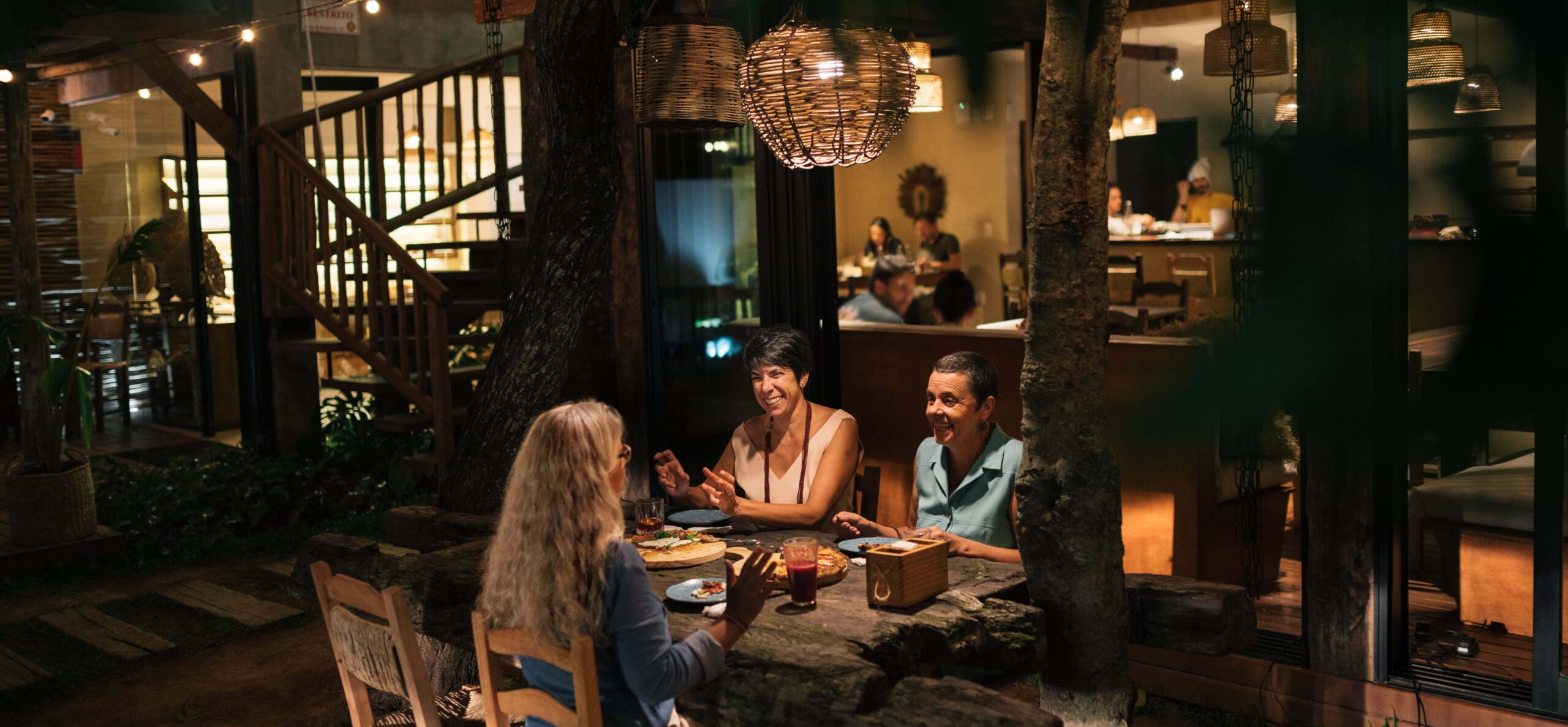
Effective employee scheduling is the backbone of successful restaurant operations in Omaha, Nebraska. For small businesses in the food service industry, particularly restaurants and quick-service restaurants (QSRs), managing staff schedules can be the difference between thriving and merely surviving. Omaha’s diverse culinary scene, from the historic Old Market district to the bustling Midtown area, demands scheduling solutions that can adapt to seasonal fluctuations, special events, and the unique labor market challenges of the region. As restaurant owners juggle compliance with Nebraska labor laws, staff availability, and customer demand patterns, advanced scheduling services have become essential tools rather than optional luxuries.
The restaurant industry in Omaha faces specific scheduling challenges, including high turnover rates, varying skill requirements, and unpredictable customer flows. According to recent industry data, restaurants that implement effective scheduling solutions report up to 4% savings in labor costs and significant improvements in employee satisfaction and retention. Modern employee scheduling platforms like Shyft offer Omaha restaurant owners the ability to streamline operations, reduce administrative overhead, and create work environments that respect staff needs while meeting business demands. As competition for both customers and quality staff intensifies in Omaha’s growing food scene, adopting sophisticated scheduling services has become a critical competitive advantage.
The Impact of Effective Scheduling on Restaurant Operations
Scheduling might seem like a basic administrative task, but for restaurants in Omaha, it directly impacts virtually every aspect of operations. Effective scheduling ensures that restaurants maintain optimal staffing levels during peak hours while avoiding overstaffing during slower periods. This balance is particularly critical in Omaha’s competitive restaurant market, where profit margins are often thin and labor costs can account for 30-35% of revenue.
- Labor Cost Control: Precise scheduling helps Omaha restaurants reduce unnecessary overtime and minimize labor costs while maintaining service quality.
- Service Quality: Proper staffing levels ensure customers receive prompt, attentive service, which is essential for building loyalty in Omaha’s restaurant scene.
- Employee Satisfaction: Consistent, fair scheduling practices improve employee engagement and reduce turnover, a significant challenge for Omaha restaurants.
- Operational Efficiency: Well-scheduled shifts ensure appropriate coverage for all restaurant functions, from kitchen to front-of-house operations.
- Regulatory Compliance: Proper scheduling helps restaurants comply with Nebraska labor laws and avoid costly penalties.
Restaurants that leverage modern scheduling software gain visibility into staffing patterns and can make data-driven decisions. For instance, a popular steakhouse in downtown Omaha used scheduling analytics to identify that they were consistently overstaffed on Monday evenings but understaffed during weekend brunch service. After adjusting their scheduling approach, they reported a 12% reduction in labor costs while improving service ratings during their busiest periods.

Essential Features of Restaurant Scheduling Software
When selecting scheduling services for your Omaha restaurant or QSR, certain features are particularly valuable for addressing the unique challenges of food service businesses. Modern platforms offer capabilities far beyond basic calendar functions, with tools specifically designed for the dynamic restaurant environment.
- Mobile Accessibility: Staff can view schedules, request changes, and swap shifts from their smartphones, essential for Omaha’s mobile-oriented workforce.
- Shift Swapping Capabilities: Platforms like Shyft’s Shift Marketplace allow employees to exchange shifts while ensuring proper coverage and skill requirements.
- Forecasting Tools: Software that analyzes historical data to predict busy periods, helping schedule appropriate staffing for events like College World Series or Berkshire Hathaway shareholders weekend.
- Integration Capabilities: Seamless connections with POS systems, payroll software, and other restaurant management tools create a unified operational ecosystem.
- Compliance Monitoring: Features that track break requirements, minor work restrictions, and overtime to ensure adherence to Nebraska labor regulations.
Restaurant owners should look for scheduling platforms that offer customization options to accommodate unique business needs. For example, a fast-casual restaurant in Omaha’s Aksarben Village implemented a scheduling system that allowed them to schedule staff based on specific skill sets (grill, prep, register, etc.), ensuring balanced teams during all shifts. This approach reduced training costs and improved operational efficiency by 15%.
Labor Cost Management Through Strategic Scheduling
For Omaha restaurants operating on slim profit margins, labor cost management is a top priority. Advanced scheduling services provide powerful tools for optimizing staffing levels and controlling costs without sacrificing service quality. Strategic scheduling goes beyond simply filling shifts—it involves aligning staffing with business needs in the most cost-effective manner.
- Demand-Based Scheduling: Using POS data to schedule staff based on anticipated customer volume, especially valuable during Omaha events like concerts at CHI Health Center or Husker game days.
- Overtime Management: Automated alerts for potential overtime situations help managers make proactive adjustments to control overtime costs.
- Labor Budget Tools: Features that track labor costs in real-time against budgeted amounts, allowing for immediate adjustments if necessary.
- Skill-Based Assignment: Matching employees to tasks based on their capabilities ensures efficiency and reduces training expenses.
- Part-Time Staff Optimization: Effectively leveraging part-time employees for peak periods without incurring full-time benefit costs.
One QSR near Omaha’s Henry Doorly Zoo implemented labor cost management through their scheduling system and discovered they were regularly scheduling too many staff during weekday afternoons. By adjusting their scheduling approach and implementing a split-shift strategy during peak tourist season, they reduced labor costs by 8% while maintaining customer satisfaction scores. The restaurant’s general manager noted that the scheduling system paid for itself within the first three months through labor savings alone.
Enhancing Employee Satisfaction Through Flexible Scheduling
In Omaha’s competitive restaurant labor market, employee retention is a significant challenge. Modern scheduling services can dramatically improve staff satisfaction by providing greater transparency and flexibility. When employees have more control over their work schedules and can better balance their personal and professional lives, restaurants see measurable improvements in retention and productivity.
- Self-Service Scheduling: Allowing staff to input availability preferences and request time off directly through the scheduling platform empowers employees and reduces manager workload.
- Advance Schedule Publishing: Providing schedules further in advance helps employees plan their personal lives, a key factor in job satisfaction.
- Shift Trading Platforms: Secure shift swapping capabilities let employees resolve scheduling conflicts without manager intervention while ensuring proper coverage.
- Fair Distribution: Transparent allocation of desirable shifts (weekends, holidays) builds trust and reduces perception of favoritism.
- Work-Life Balance Considerations: Features that help managers honor employee preferences for specific days off or maximum weekly hours support work-life balance.
A family-owned restaurant in West Omaha implemented a flexible scheduling system that allowed staff to swap shifts through an approval-based platform. Within six months, they reported a 40% reduction in last-minute call-outs and a 25% decrease in turnover. The owner attributed these improvements to increased schedule transparency and employee empowerment. The restaurant also saw a boost in morale as staff appreciated the ability to more easily accommodate personal commitments while ensuring the restaurant remained properly staffed.
Scheduling Compliance with Nebraska Labor Laws
Compliance with labor regulations is a critical concern for Omaha restaurant owners. Nebraska has specific requirements regarding minor employment, break periods, and overtime that must be followed to avoid penalties. Modern scheduling services help restaurants maintain compliance by automating rule enforcement and providing documentation of scheduling practices.
- Minor Work Restrictions: Systems that automatically flag violations of Nebraska’s regulations for workers under 18, including hour limitations and prohibited tasks.
- Break Compliance: Features that track required meal and rest periods based on shift length and state requirements.
- Overtime Calculations: Automatic tracking of hours to prevent unintended overtime and ensure proper compensation when overtime is worked.
- Record Keeping: Digital storage of schedules, time records, and shift changes that can be accessed during audits or investigations.
- Certification Tracking: Systems that monitor required certifications like food handler permits or alcohol service training to ensure all staff are properly qualified.
A QSR franchise with multiple Omaha locations implemented a compliance-focused scheduling system after receiving a fine for minor work hour violations. The new system automatically flagged potential compliance issues before schedules were published, allowing managers to make corrections proactively. The franchise reported that the system prevented numerous potential violations in its first year, particularly during school breaks when more minors were available to work extended hours. The owner estimated that the system saved them at least $10,000 in potential fines and legal costs.
Implementing Team Communication Through Scheduling Platforms
Effective communication is essential in the fast-paced restaurant environment. Modern scheduling services offer integrated communication tools that keep all staff informed and connected. These features streamline operations by ensuring everyone has access to the information they need, when they need it.
- In-App Messaging: Secure platforms for team and individual communication related to scheduling and operations through team communication features.
- Announcement Broadcasting: Tools for sending important updates to all staff or specific groups regarding menu changes, promotions, or operational adjustments.
- Shift Notes: Capability to attach important information to specific shifts, such as special events, VIP reservations, or limited-time offers.
- Real-Time Updates: Immediate notifications when schedules change or shift opportunities become available.
- Confirmation Features: Tools that require employees to acknowledge they’ve seen important communications or schedule changes.
A popular brunch spot in Omaha’s Blackstone District implemented a scheduling system with integrated communication features and saw significant operational improvements. The restaurant had previously struggled with communicating last-minute menu changes based on ingredient availability from local farms. With their new system, managers could instantly notify all staff about menu adjustments, ensuring servers were properly informed before their shifts began. This communication strategy reduced order errors by 30% and improved both customer and staff satisfaction scores.
Data-Driven Scheduling Optimization for Restaurants
Modern scheduling services provide powerful analytics capabilities that transform raw data into actionable insights. For Omaha restaurants, these tools enable more precise forecasting and scheduling decisions based on historical patterns and current trends. Data-driven scheduling helps restaurants anticipate demand fluctuations unique to Omaha’s market, such as College World Series impact or seasonal dining patterns.
- Sales Forecasting: Using historical data to predict busy periods and staff accordingly, accounting for local events and seasonal patterns specific to Omaha.
- Performance Analytics: Identifying your highest-performing staff for key shifts to maximize both service quality and sales.
- Labor Cost Reporting: Detailed breakdowns of labor as a percentage of sales to identify opportunities for optimization.
- Staff Productivity Metrics: Insights into individual and team performance to inform coaching and staffing decisions.
- Scenario Planning: Tools to model different staffing approaches and predict their operational and financial impacts.
A full-service restaurant near Omaha’s Old Market implemented data analytics through their scheduling platform and discovered surprising patterns in their business. The analysis revealed that their Thursday happy hour consistently outperformed Friday in both sales and customer count, yet they had been staffing Friday more heavily. By reallocating staff based on actual demand patterns rather than assumptions, they improved service during their truly busy periods while reducing labor costs during slower times. The restaurant manager reported that data-driven decisions helped them achieve a 5% improvement in labor cost percentage while enhancing customer satisfaction.

Integration with Restaurant Management Systems
Scheduling doesn’t exist in isolation—it needs to work seamlessly with other restaurant management systems. Modern scheduling services offer integration capabilities that create a unified operational ecosystem. For Omaha restaurants, these integrations eliminate duplicate data entry and provide a more comprehensive view of the business.
- POS System Integration: Connecting sales data directly to scheduling platforms to align staffing with sales patterns and measure labor cost percentage in real-time.
- Payroll Software Connection: Automating the transfer of hours worked to payroll systems to reduce administrative time and minimize errors.
- Inventory Management: Linking scheduling with inventory systems to ensure appropriate staffing for large deliveries or inventory counts.
- Time and Attendance: Integrating clock-in/clock-out systems with scheduling to track adherence and manage labor costs effectively.
- Accounting Software: Connecting labor data with financial systems for more accurate profitability analysis and forecasting.
A growing QSR chain with four Omaha locations implemented a scheduling system that integrated with their POS and payroll platforms. This integration eliminated approximately 15 hours of administrative work weekly across their locations. The restaurant’s operations director noted that beyond time savings, the integration significantly reduced payroll errors and provided much clearer visibility into labor costs as a percentage of sales. They were able to establish labor targets for different dayparts and monitor performance against those targets in real-time, resulting in more consistent profitability across all locations.
Mobile Scheduling Solutions for Today’s Restaurant Workforce
In today’s mobile-first world, restaurant staff expect to manage their work lives through their smartphones. Modern scheduling services offer robust mobile applications that put scheduling power in employees’ hands. This mobile accessibility is particularly important for Omaha’s restaurant industry, which employs many young professionals and students who rely heavily on mobile technology.
- Schedule Access Anywhere: Employees can view their schedules, request changes, and respond to shift offers from anywhere, at any time.
- Push Notifications: Instant alerts about schedule changes, available shifts, or important announcements keep everyone informed.
- Clock-In/Clock-Out: Mobile time tracking with geofencing ensures employees are on-site when they clock in and provides accurate attendance records.
- Availability Updates: Staff can update their availability in real-time, helping managers create more accurate schedules.
- Shift Marketplaces: Mobile platforms where employees can post shifts they need covered and pick up extra shifts when they want additional hours.
A casual dining restaurant near Creighton University implemented a mobile scheduling solution and saw immediate benefits with their predominantly student staff. The restaurant had previously struggled with schedule communication and last-minute call-outs. After implementing mobile scheduling, they reported a 60% reduction in no-shows and late arrivals. The technology was particularly valuable during exam periods when student availability frequently changed. Staff appreciated the ability to easily swap shifts through the app, and managers valued the reduction in time spent handling schedule adjustments. The restaurant estimated they saved approximately 8 hours of management time weekly that was redirected to customer service and staff development.
The Future of Restaurant Scheduling Technology
The restaurant scheduling landscape continues to evolve rapidly, with new technologies offering increasingly sophisticated solutions. Forward-thinking Omaha restaurant owners should be aware of emerging trends that will shape scheduling practices in the coming years. These innovations promise even greater efficiency, flexibility, and data-driven decision making.
- AI-Powered Scheduling: Artificial intelligence that learns from historical data to generate optimal schedules based on multiple variables, including individual employee performance.
- Predictive Analytics: Advanced forecasting that incorporates external factors like weather, local events, and even social media sentiment to predict customer demand.
- Skills Marketplaces: Platforms that allow restaurants to share staff across locations or even between businesses during peak needs.
- Voice-Activated Tools: Hands-free scheduling technologies that allow managers to make changes or check staffing levels through voice commands.
- Automated Compliance Updates: Systems that automatically adapt to changing labor laws and regulations to ensure continuous compliance.
Early adopters of AI-powered scheduling in Omaha’s restaurant scene are already seeing benefits. One upscale restaurant implemented a system that uses machine learning to optimize scheduling based on server performance data, weather forecasts, and reservation patterns. The restaurant reported that the AI-generated schedules consistently outperformed human-created ones, with 7% lower labor costs and higher customer satisfaction scores. As these technologies mature and become more accessible, they will likely become standard tools for competitive restaurants throughout Omaha.
Selecting the Right Scheduling Solution for Your Omaha Restaurant
With numerous scheduling options available, Omaha restaurant owners need a strategic approach to selecting the right solution for their specific needs. The ideal system balances functionality, ease of use, and cost while addressing the unique characteristics of your business. Taking time to evaluate options thoroughly will ensure a better implementation experience and stronger long-term results.
- Needs Assessment: Identify your specific scheduling challenges and prioritize features that address those particular pain points.
- Scalability Considerations: Choose a system that can grow with your business, especially important for restaurants planning to expand in Omaha’s market.
- Staff Input: Involve both managers and staff in the evaluation process to ensure the system meets needs at all levels.
- Integration Requirements: Prioritize compatibility with your existing POS, payroll, and other operational systems.
- Implementation Support: Evaluate the training and support provided by vendors to ensure a smooth transition to the new system.
Many successful Omaha restaurants have found that scheduling solutions like Shyft offer the ideal combination of restaurant-specific features, mobile accessibility, and team communication tools. Before making a final decision, take advantage of free trials and demos to ensure the system meets your needs. One Mexican restaurant in West Omaha tested three different platforms before selecting one that offered the best combination of ease of use for their largely Spanish-speaking staff and robust analytics for management. Their thorough evaluation process led to high adoption rates and a smoother implementation.
Conclusion
Effective scheduling is no longer optional for successful restaurants in Omaha—it’s essential for controlling costs, maintaining service quality, and creating positive work environments for staff. Modern scheduling services offer powerful tools that transform this traditionally challenging aspect of restaurant management into a strategic advantage. By implementing the right scheduling solution, Omaha restaurant owners can optimize labor costs, improve employee satisfaction, ensure regulatory compliance, and ultimately deliver better experiences to their customers.
As you evaluate scheduling options for your restaurant or QSR, focus on solutions that offer mobile accessibility, integration capabilities, data-driven insights, and compliance features. Consider platforms like Shyft that are specifically designed for the unique challenges of the restaurant industry and offer the flexibility to adapt to Omaha’s particular market conditions. The investment in quality scheduling services typically delivers rapid returns through labor savings, reduced administrative time, improved staff retention, and enhanced customer experiences. In today’s competitive restaurant landscape, sophisticated scheduling isn’t just about filling shifts—it’s about creating the operational foundation for sustainable success.
FAQ
1. How can scheduling software reduce labor costs for restaurants in Omaha?
Scheduling software reduces labor costs through several mechanisms. It enables precise staffing based on anticipated demand, preventing both costly overstaffing and service-damaging understaffing. Advanced systems use historical data and sales forecasts to recommend optimal staffing levels for each daypart. The software also helps prevent unintended overtime by tracking hours and alerting managers before employees exceed thresholds. Additionally, improved schedule accuracy reduces last-minute schedule changes that often require premium pay to cover shifts. Many Omaha restaurants report labor savings of 3-5% after implementing sophisticated scheduling solutions, which translates to significant bottom-line improvements in an industry with thin margins.
2. What are the compliance considerations for restaurant scheduling in Nebraska?
Nebraska has specific labor regulations that affect restaurant scheduling. These include rules governing minor employment (such as hour limitations for workers under 16), overtime requirements for hours worked beyond 40 in a week, and record-keeping mandates. While Nebraska doesn’t currently have predictive scheduling laws like some states, Omaha restaurants must maintain accurate records of hours worked, ensure proper meal and rest breaks, and comply with federal labor standards. Modern scheduling software helps track these requirements automatically, flagging potential violations before schedules are published and maintaining digital records that can be produced during audits or investigations. This automated compliance support is particularly valuable for restaurants with high turnover or less experienced managers.
3. How difficult is it to transition from manual to digital scheduling systems?
The transition difficulty depends on several factors, including restaurant size, staff technological comfort, and the specific system chosen. However, most modern scheduling platforms are designed with user-friendliness in mind. Quality vendors provide comprehensive training and support during implementation, often including personalized setup assistance, staff training sessions, and ongoing technical support. Many Omaha restaurants report that while there is an initial learning curve of 2-4 weeks, the benefits become apparent quickly. To ensure a smooth transition, involve staff in the process early, communicate the benefits clearly, provide adequate training, and consider a phased implementation approach. Many restaurant managers find that younger staff members adapt quickly and can help train others on the new system.
4. How can employee scheduling impact customer service quality?
Scheduling directly impacts customer service in multiple ways. First, proper staffing levels ensure customers receive prompt attention and quality service, particularly during peak periods. Second, scheduling that accounts for skill distribution ensures each shift has the right mix of experienced and newer staff. Third, fair, consistent scheduling practices improve employee satisfaction, which research shows directly correlates with higher customer service quality. Finally, reduced turnover through better scheduling practices means more experienced staff serving customers. One Omaha steakhouse found that after implementing scheduling software that allowed employees more input into their schedules, their customer satisfaction scores increased by 12% over six months, primarily due to improvements in service speed and staff attitude metrics.
5. What ROI can Omaha restaurants expect from implementing scheduling software?
While results vary based on restaurant size and previous scheduling practices, most Omaha restaurants see positive ROI within 3-6 months of implementing quality scheduling software. Typical financial benefits include labor cost reductions of 3-5% through optimized staffing, administrative time savings of 5-10 hours per week per location, reduced overtime costs of 10-20%, and lower turnover-related expenses. Beyond direct financial returns, restaurants report significant operational improvements, including better service quality, increased staff satisfaction, and improved compliance with labor regulations. Many restaurant owners find that the peace of mind from knowing schedules are being handled efficiently and compliantly is itself worth the investment. Most scheduling platforms offer tiered pricing based on restaurant size and feature needs, making them accessible even for small independent restaurants.







