


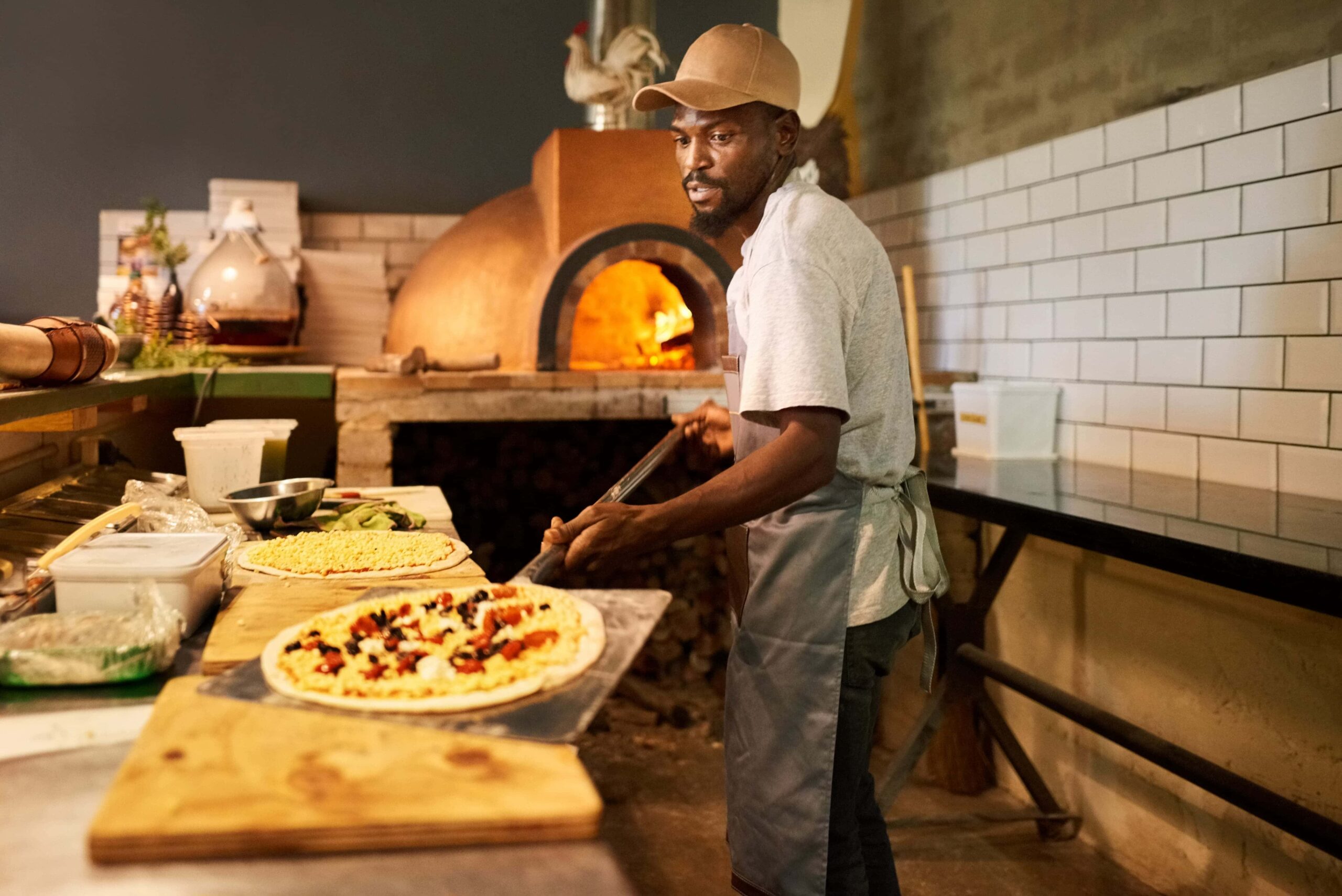
Managing employee schedules effectively is one of the most significant challenges facing restaurant and quick-service restaurant (QSR) owners in Orland Park, Illinois. The dynamic nature of the food service industry, with its fluctuating customer traffic, variable peak hours, and high employee turnover rates, makes creating optimal schedules a complex puzzle. In a competitive dining market like Orland Park, having the right staff at the right time directly impacts customer satisfaction, operational efficiency, and ultimately, profitability. Modern scheduling services offer restaurant owners powerful tools to streamline this process, reduce labor costs, and create schedules that work for both the business and employees.
The restaurant industry in Orland Park faces unique scheduling challenges compared to other businesses. With the suburb’s proximity to Chicago and its mix of chain restaurants and local establishments, owners must navigate seasonal fluctuations, special events at nearby venues like the Tinley Park Convention Center, and changing consumer behaviors. Additionally, Illinois’ labor laws, including Chicago’s Fair Workweek Ordinance that affects some businesses in the region, add another layer of complexity to schedule creation. Restaurant and QSR owners who implement effective scheduling services can gain a competitive advantage through improved staff satisfaction, enhanced customer experience, and optimized labor costs.
Understanding the Restaurant Landscape in Orland Park
Orland Park’s restaurant scene is diverse and competitive, serving a population of over 58,000 residents plus visitors from surrounding areas. The village is home to numerous dining establishments ranging from fast-food chains to upscale restaurants, with many concentrated around Orland Square Mall and along LaGrange Road. Understanding this landscape is crucial for implementing effective scheduling strategies that address the specific needs of the local market.
- Seasonal Fluctuations: Orland Park experiences distinct seasonal patterns that impact restaurant traffic, with summer bringing increased business due to tourism and winter holidays creating surge periods that require additional staffing.
- Competition for Labor: Restaurants in Orland Park compete with retail establishments and businesses in neighboring communities for qualified staff, making efficient scheduling critical for employee retention.
- Proximity to Chicago: Being near Chicago means restaurants must consider major events, conventions, and tourism patterns that can influence customer traffic from the greater metropolitan area.
- Local Demographics: With a median household income above the national average, Orland Park restaurants often cater to customers with expectations for quality service, making appropriate staffing levels essential.
- Regulatory Environment: Illinois labor laws, including predictive scheduling regulations that are expanding across the state, create compliance challenges that scheduling software can help address.
Restaurant owners in Orland Park who understand these local market dynamics can better configure their employee scheduling systems to meet both business needs and staff preferences. According to recent industry analyses, restaurants that adapt their scheduling practices to local conditions typically see 12-15% improvements in operational efficiency compared to those using generic approaches.

Common Scheduling Challenges for Restaurants and QSRs
Restaurant and QSR managers in Orland Park face numerous scheduling challenges that can impact both operational efficiency and staff satisfaction. Identifying these challenges is the first step toward implementing effective solutions that can transform scheduling from a headache into a strategic advantage for your business.
- Unpredictable Customer Traffic: Restaurants experience fluctuating demand patterns that can be difficult to predict, especially with changing weather conditions common in Illinois or during special events in Orland Park.
- High Employee Turnover: The restaurant industry’s notoriously high turnover rates (averaging 75% annually) make maintaining a stable schedule challenging, with constant onboarding of new staff.
- Skill-Based Scheduling: Ensuring the right mix of experienced staff and new employees across shifts requires careful planning that basic scheduling tools often can’t accommodate.
- Last-Minute Changes: Employee call-offs, family emergencies, and unexpected absences can throw carefully crafted schedules into disarray without systems to quickly find replacements.
- Compliance Concerns: Illinois labor laws regarding breaks, overtime, and minor work restrictions add complexity to restaurant scheduling that requires careful tracking.
These challenges are particularly acute for independent restaurants and small chains in Orland Park that may not have dedicated HR staff. Implementing effective scheduling software can help address these issues by providing tools for demand forecasting, skill matching, and compliance management. Modern platforms like Shyft offer features specifically designed to overcome restaurant scheduling obstacles through automation, mobile accessibility, and integrated communication tools.
Benefits of Effective Scheduling Services for Orland Park Restaurants
Implementing modern scheduling services delivers substantial benefits for restaurants and QSRs in Orland Park, transforming what was once a time-consuming administrative task into a strategic advantage. Restaurant owners who have adopted advanced scheduling solutions report significant improvements across multiple business areas.
- Labor Cost Optimization: Effective scheduling can reduce labor costs by 3-5% through better matching staff levels to customer demand, preventing both costly overstaffing and service-damaging understaffing situations.
- Improved Employee Satisfaction: Restaurants using modern scheduling tools typically see a 20-30% reduction in turnover as employees gain more control over their schedules and experience fewer last-minute changes, which is crucial in Orland Park’s competitive labor market.
- Enhanced Customer Experience: Proper staffing levels directly impact service quality, with optimized schedules ensuring appropriate coverage during Orland Park’s peak dining hours and special events.
- Time Savings for Management: Restaurant managers report saving 3-5 hours weekly on schedule creation and management, allowing them to focus on other critical aspects of restaurant operations.
- Regulatory Compliance: Automated scheduling tools help ensure compliance with Illinois labor laws, reducing the risk of costly violations and penalties.
These benefits are particularly valuable for Orland Park restaurants that face seasonal fluctuations and competition from both local establishments and nearby Chicago dining options. By implementing advanced scheduling solutions, restaurant owners can create a more stable and efficient operation that adapts to changing conditions while maintaining service quality. Platforms that offer shift marketplace capabilities allow staff to trade shifts within approved parameters, further enhancing flexibility while maintaining appropriate coverage.
Key Features to Look for in Restaurant Scheduling Software
When selecting scheduling software for your Orland Park restaurant or QSR, certain features are particularly valuable for addressing the unique challenges of food service operations. The right solution should combine functionality with ease of use to ensure adoption by both management and staff.
- Mobile Accessibility: In the fast-paced restaurant environment, staff need to access schedules and request changes from anywhere, making mobile apps essential for real-time schedule management and communication.
- Demand Forecasting: Advanced systems use historical data to predict busy periods specific to your Orland Park location, helping optimize staffing levels for lunch rushes, weekend dinner service, or during events at nearby venues.
- Shift Swapping Capabilities: Self-service shift exchange features allow employees to find coverage for shifts they can’t work, with manager approval workflows ensuring proper staffing levels are maintained.
- Labor Cost Controls: Tools that provide real-time visibility into labor costs as schedules are built help managers stay within budget while ensuring adequate coverage during peak times.
- Compliance Management: Features that automatically flag potential violations of Illinois labor laws, minor work restrictions, and required break periods reduce legal risks for restaurant operators.
- Team Communication Tools: Integrated messaging features ensure that schedule changes, special instructions, and other important information reach all affected staff members promptly.
Restaurant owners should look for systems that integrate with existing point-of-sale and payroll platforms to create a seamless operational ecosystem. Effective communication tools are particularly important for restaurants with multiple shifts and part-time staff. When evaluating options, consider how the scheduling solution handles the specific challenges of restaurant staffing, such as tracking server sections, managing tipped employees, and accommodating different skill levels across shifts.
Illinois Labor Laws and Compliance Considerations
Restaurant owners in Orland Park must navigate various labor regulations when creating employee schedules. Illinois has specific requirements that affect scheduling practices, and staying compliant is essential to avoid penalties and legal issues. Modern scheduling services can help automate compliance with these regulations.
- One Day Rest in Seven Act (ODRISA): Illinois law requires employees to have at least 24 consecutive hours of rest in each calendar week, which scheduling software can automatically track to prevent violations.
- Meal Break Requirements: Employees working 7.5 continuous hours must receive a 20-minute meal break, and scheduling systems can build these breaks into shifts automatically.
- Minor Work Restrictions: For restaurants employing workers under 16, Illinois has strict limitations on hours and times they can work, particularly during school periods, requiring careful schedule management.
- Overtime Regulations: Advanced scheduling tools can help track hours to manage overtime, which kicks in after 40 hours in Illinois, allowing restaurants to control labor costs while remaining compliant.
- Predictive Scheduling Trends: While not yet implemented statewide, predictive scheduling laws requiring advance notice of schedules are expanding across Illinois, and scheduling software can help restaurants prepare for these changes.
Restaurant owners should also be aware that Chicago’s Fair Workweek Ordinance, which requires advance scheduling notice and predictability pay, may influence expectations of workers in nearby Orland Park. Scheduling solutions with compliance features can automatically flag potential violations, track required documentation, and generate reports for labor audits if needed. This proactive approach to compliance can save significant time and reduce risk for restaurant operators in the Chicago metropolitan area.
Implementing Scheduling Solutions in Restaurants
Successfully implementing a new scheduling system in your Orland Park restaurant requires careful planning and staff engagement. The transition process should be managed thoughtfully to ensure adoption and maximize the benefits of your scheduling solution.
- Needs Assessment: Before selecting a scheduling solution, document your specific pain points and requirements, considering factors like staff size, skill levels, multiple locations, and integration needs with existing systems.
- Staff Involvement: Include key staff members in the selection process to gain valuable insights and build buy-in, as employees who participate in choosing the system are more likely to embrace it.
- Phased Implementation: Consider starting with a pilot program in one area of your restaurant (like front-of-house staff) before rolling out to all departments, allowing time to address issues before full implementation.
- Comprehensive Training: Provide thorough training for both managers and staff, utilizing resources provided by the software vendor along with customized guidance for your specific operation.
- Data Migration: Carefully transfer existing scheduling data, employee information, and historical patterns to ensure continuity and leverage past information for forecasting.
The implementation process typically takes 3-6 weeks for a restaurant, depending on complexity and size. Effective implementation should include clear communication about how the new system benefits both the business and employees. Many restaurant owners in Orland Park find that highlighting features like mobile access, easier shift swapping, and more consistent schedules helps overcome initial resistance to change. Post-implementation, scheduling regular check-ins to gather feedback and make necessary adjustments ensures the system continues to meet your restaurant’s evolving needs.
Best Practices for Restaurant Employee Scheduling
Beyond implementing the right technology, following established best practices for restaurant scheduling can significantly improve operations and staff satisfaction. These strategies are particularly relevant for Orland Park restaurants dealing with variable customer patterns and a competitive labor market.
- Create Schedules in Advance: Publish schedules at least two weeks ahead when possible, giving employees time to plan their personal lives and reducing last-minute call-offs that disrupt service.
- Incorporate Employee Preferences: Collect and honor staff availability and preferences where feasible, which has been shown to increase retention rates by up to 23% in restaurant environments.
- Balance Experience Levels: Distribute experienced staff across shifts to ensure quality service, pairing veterans with newer employees to facilitate on-the-job training and consistent customer experiences.
- Analyze Performance Data: Use sales data and customer patterns specific to your Orland Park location to inform scheduling decisions, adjusting staffing levels based on historical performance and upcoming events.
- Create Scheduling Policies: Establish clear guidelines for requesting time off, shift swaps, and handling emergencies, ensuring all staff understand the procedures and expectations.
Many successful restaurants in Orland Park are implementing shift marketplace systems that allow employees to post shifts they need covered and pick up additional shifts when they want extra hours. This approach combines manager oversight with employee flexibility, creating schedules that work better for everyone involved. Additionally, cross-training staff across different roles increases scheduling flexibility and provides growth opportunities that improve retention in the competitive Chicagoland labor market.

How Technology is Transforming Restaurant Scheduling in Orland Park
The restaurant industry in Orland Park is experiencing a technological revolution in scheduling practices. Advanced tools are replacing outdated methods like spreadsheets and paper schedules, bringing powerful capabilities that are particularly valuable in the dynamic food service environment.
- AI-Powered Forecasting: Artificial intelligence analyzes historical data, weather patterns, local events, and even social media mentions to predict customer volume with increasing accuracy, allowing for more precise staffing levels.
- Real-Time Notifications: Instant alerts about schedule changes, shift opportunities, or coverage needs keep staff informed through their smartphones, critical for the younger workforce common in Orland Park restaurants.
- Integration Ecosystems: Modern scheduling platforms connect with POS systems, payroll software, and time-tracking tools to create unified operational systems that reduce administrative work and improve data accuracy.
- Biometric Time Tracking: Advanced systems use fingerprint or facial recognition for clock-ins, eliminating time theft issues like buddy punching that cost restaurants thousands annually.
- Scheduling Analytics: Data-driven insights help managers identify scheduling patterns that impact performance, allowing for continuous optimization based on actual results rather than guesswork.
These technological advances are especially valuable for restaurants in Orland Park that experience seasonal fluctuations and compete for both customers and employees with nearby Chicago establishments. AI-driven scheduling creates more accurate forecasts, while mobile capabilities improve communication and shift coverage. Forward-thinking restaurant owners are leveraging these technologies not just for operational efficiency but as recruitment and retention tools in a tight labor market, highlighting flexible scheduling as a key benefit for potential employees.
Measuring the ROI of Scheduling Systems for Restaurants
Investing in scheduling software represents a significant decision for restaurant owners in Orland Park. Understanding how to measure the return on this investment helps justify the expense and identify areas for continued optimization. Several key metrics can help quantify the impact of improved scheduling practices.
- Labor Cost Percentage: Track how scheduling improvements affect your labor cost as a percentage of sales, with most restaurants targeting 25-35% depending on service style and concept.
- Reduced Overtime: Measure the decrease in unnecessary overtime hours, which typically cost restaurants 1.5 times the regular hourly rate and can significantly impact profitability.
- Staff Turnover Rate: Calculate changes in employee retention, as reduced turnover translates directly to lower recruitment and training costs, which average $5,864 per employee in the restaurant industry.
- Management Time Savings: Quantify the hours managers save on schedule creation and adjustment, allowing them to focus on customer service and other revenue-generating activities.
- Customer Satisfaction Scores: Monitor how improved staffing levels impact guest satisfaction metrics, which directly influence repeat business and average check sizes.
Restaurant owners in Orland Park typically see ROI within 3-6 months of implementing advanced scheduling systems, with labor cost savings of 2-4% and productivity improvements of 10-15%. Calculating ROI should include both hard savings (like reduced labor costs) and soft benefits (like improved employee satisfaction and customer experience). Advanced platforms provide built-in reporting tools that help track these metrics, making it easier to demonstrate value and identify opportunities for further optimization of your scheduling practices.
Future Trends in Restaurant Scheduling for Orland Park Businesses
The landscape of restaurant scheduling continues to evolve, with several emerging trends poised to impact Orland Park food service businesses in the coming years. Forward-thinking restaurant owners should be aware of these developments to maintain competitive advantage and operational excellence.
- Predictive Analytics: Advanced algorithms will increasingly incorporate more diverse data sources, including social media sentiment, local events, and even traffic patterns to forecast staffing needs with greater precision.
- Employee-Driven Scheduling: The trend toward greater staff input in scheduling will accelerate, with systems offering more collaborative features that balance business needs with worker preferences.
- Integration with Gig Economy Platforms: Some scheduling systems are beginning to connect with external labor pools to fill last-minute gaps, a valuable feature for restaurants in Orland Park’s tight labor market.
- Expansion of Fair Workweek Regulations: While currently focused on Chicago, predictive scheduling laws are likely to expand to more municipalities in Illinois, making compliance automation increasingly valuable.
- Voice-Activated Scheduling: Emerging voice technology will allow managers to make schedule adjustments through voice commands, saving time in the fast-paced restaurant environment.
Restaurant owners in Orland Park should prepare for these trends by selecting scheduling systems with flexible architectures that can adapt to changing requirements. Platforms like Shyft that offer shift marketplace functionality and advanced analytics are well-positioned to incorporate future innovations. Staying ahead of scheduling trends provides both operational advantages and helps position your restaurant as an employer of choice in a competitive labor environment.
Conclusion
Effective scheduling is no longer just an administrative function for restaurants and QSRs in Orland Park—it’s a strategic advantage that impacts every aspect of the business. By implementing modern scheduling solutions, restaurant owners can optimize labor costs, improve employee satisfaction, enhance the customer experience, and ensure compliance with evolving labor regulations. The right scheduling system serves as the operational backbone that supports a restaurant’s ability to deliver consistent service while adapting to the dynamic conditions of the food service industry.
For Orland Park restaurant owners, the path forward is clear: invest in scheduling technology that addresses your specific challenges, implement best practices for schedule creation and management, and continually measure the results to refine your approach. The restaurants that thrive in this competitive market will be those that view scheduling as a strategic tool rather than a necessary burden. By leveraging the power of modern scheduling services, your restaurant can achieve the optimal balance of staff satisfaction, operational efficiency, and customer service excellence that drives long-term success in the Orland Park dining scene.
FAQ
1. How much does restaurant scheduling software typically cost for a small Orland Park restaurant?
Pricing for restaurant scheduling software varies based on features and restaurant size. For small restaurants in Orland Park, you can expect to pay anywhere from $2-5 per employee per month for basic systems, while more comprehensive solutions with advanced features like demand forecasting and compliance management may cost $4-8 per employee monthly. Many providers offer tiered pricing with discounts for annual commitments. The ROI typically outweighs these costs through labor savings, reduced overtime, and management time efficiencies. Most providers offer free trials or demos, allowing you to test functionality before committing.
2. How can scheduling software help my restaurant comply with Illinois labor laws?
Modern scheduling software helps Orland Park restaurants comply with Illinois labor laws through several key features. These systems can automatically flag potential violations of regulations like the One Day Rest in Seven Act and mandatory meal break requirements. For restaurants employing minors, the software can enforce hour restrictions and prevent scheduling during prohibited times. Advanced systems track overtime thresholds, maintain required documentation for compliance purposes, and generate reports for potential labor audits. As predictive scheduling regulations expand across Illinois, scheduling software can also ensure proper advance notice of schedules and track required premium pay for last-minute changes, significantly reducing compliance risks.
3. What features should I look for in scheduling software specifically for QSRs in Orland Park?
Quick Service Restaurants in Orland Park should prioritize scheduling software with features that address the unique high-volume, fast-paced environment of QSRs. Look for robust demand forecasting that can predict rush periods based on historical data, mobile accessibility for your predominantly young workforce, and quick shift-filling capabilities for last-minute absences. Integration with your POS system allows for real-time labor cost tracking against sales. Position-based scheduling features help ensure you have the right mix of food prep, cashier, and drive-thru staff during each shift. Given the high turnover in QSRs, easy onboarding features and intuitive interfaces are also crucial for quick adoption by new staff members.
4. How can I measure the success of implementing a new scheduling system in my restaurant?
Success metrics for a new scheduling system should include both quantitative and qualitative measures. Track changes in labor cost percentage relative to sales, with most restaurants targeting a 3-5% improvement after implementation. Measure reductions in overtime hours and associated premium pay costs. Monitor staff turnover rates and absenteeism, which typically decrease with better scheduling practices. Calculate the time savings for managers previously spent on schedule creation and adjustment—often 3-5 hours weekly. Survey employees about scheduling satisfaction and collect customer feedback on service levels, which should improve with proper staffing. Most scheduling platforms offer built-in analytics that simplify tracking these metrics, allowing you to quantify your return on investment.
5. How can scheduling software help with the unique seasonal fluctuations in Orland Park?
Scheduling software helps Orland Park restaurants manage seasonal fluctuations through several advanced capabilities. Historical data analysis allows the system to identify patterns from previous years, creating more accurate staffing templates for seasonal events like holiday shopping periods at Orland Square Mall or summer tourism increases. Weather integration features can automatically adjust forecasts based on predicted conditions, which significantly impact dining patterns in the Chicago area. Multi-variable forecasting considers factors like local events, marketing promotions, and day-of-week patterns specific to your location. The best systems allow for easy creation of seasonal staff pools with different availability patterns, such as students available during summer but limited during school periods, helping maintain appropriate coverage year-round despite Orland Park’s variable dining patterns.







