


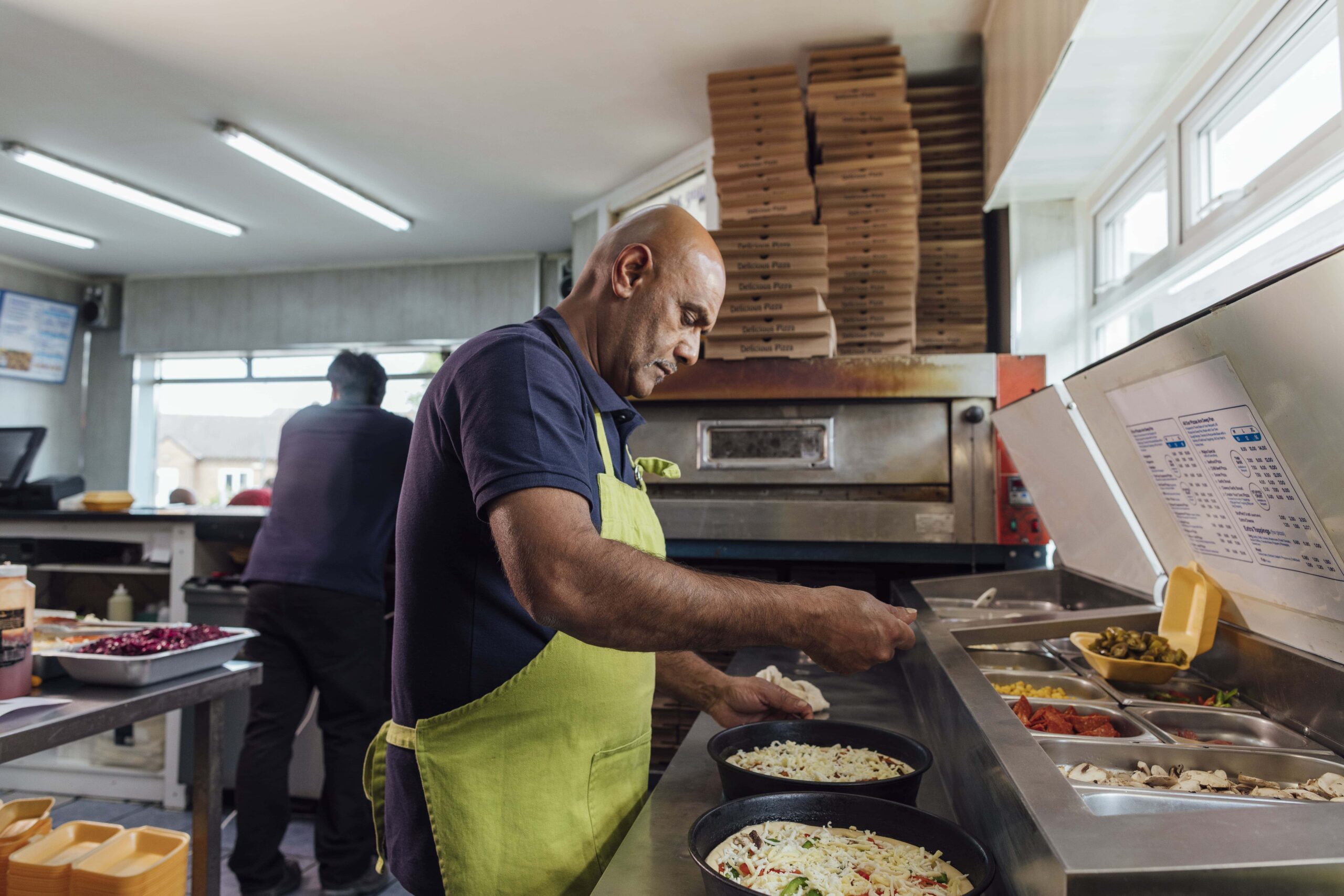
Effective employee scheduling is the backbone of any successful pizzeria in Racine, Wisconsin. From managing the busy Friday night rushes to coordinating delivery drivers during harsh winter weather, proper scheduling can mean the difference between a smoothly operating restaurant and chaos in the kitchen. Racine’s unique positioning along Lake Michigan brings seasonal tourism fluctuations, local events like the Great Lakes Brew Fest, and weather challenges that all impact staffing needs. Small business pizzeria owners in this competitive market need scheduling solutions that can adapt to these local conditions while helping control labor costs, maintain employee satisfaction, and ensure consistent customer service.
Understanding Racine’s Unique Pizzeria Scheduling Challenges
Pizzeria owners in Racine face scheduling challenges that are specific to both their location and industry. The city’s position on Lake Michigan creates distinct seasonal patterns that directly impact customer traffic. Understanding these patterns is essential for creating effective schedules that maximize efficiency without overstaffing during slower periods.
- Seasonal Tourism Fluctuations: Summer months bring significant tourism to Racine’s lakefront, requiring increased staffing from May through September, particularly for weekend shifts and evening hours.
- Weather-Dependent Delivery Demand: Wisconsin winters affect both dine-in traffic and delivery volumes, with severe weather events often causing delivery order spikes that require flexible driver scheduling.
- Local Event Coordination: Events at Festival Hall, Racine Zoo, and Reefpoint Marina create predictable demand surges that require proactive scheduling adjustments.
- College Student Workforce: With Carthage College and Gateway Technical College nearby, pizzerias often employ students whose availability changes dramatically between semesters.
- Manufacturing Shift Alignment: Racine’s industrial base means many customers follow manufacturing shift schedules, creating predictable order patterns that pizzerias must staff for accordingly.
According to research on shift work trends in the U.S., food service businesses that align their scheduling with local market patterns see up to 22% higher operational efficiency. For Racine pizzerias, this means creating schedules that adapt to these unique local conditions.

Benefits of Modern Scheduling Systems for Racine Pizzerias
Implementing a modern scheduling system can transform operations for small pizzeria businesses in Racine. The right scheduling tools deliver measurable benefits that directly impact both the bottom line and employee satisfaction, helping local establishments compete effectively in a challenging market.
- Labor Cost Optimization: Advanced scheduling systems can reduce labor costs by 3-5% through preventing overstaffing and minimizing overtime, critical for managing tight profit margins in the competitive Racine food scene.
- Improved Employee Retention: Flexible scheduling options improve retention, reducing the high turnover rates common in pizzerias and preserving institutional knowledge about local customer preferences.
- Enhanced Customer Experience: Properly staffed shifts ensure optimal service during Racine’s peak periods, including Friday night rushes and summer tourism surges, maintaining the positive reviews that drive business.
- Reduced Manager Administrative Time: Modern scheduling software can save managers 5-7 hours weekly on administrative tasks, allowing them to focus on mentoring staff and improving operations.
- Compliance With Wisconsin Labor Laws: Automated systems help track break requirements and minor work restrictions, essential for Racine pizzerias that often employ high school students.
With the right key scheduling features, Racine pizzeria owners can transform what was once a time-consuming headache into a strategic advantage for their business. The efficiency gains alone often justify the investment in modern scheduling technology.
Essential Features for Pizzeria Scheduling Software
When selecting scheduling software for your Racine pizzeria, certain features are particularly valuable for addressing the specific challenges of the local market. The right combination of tools can dramatically improve your scheduling efficiency while accommodating the unique needs of pizza operations.
- Mobile Accessibility: Staff should be able to view schedules, request shifts, and communicate changes via smartphone, essential for the younger workforce common in Racine pizzerias and discussed in detail in mobile scheduling access research.
- Shift Swapping Capabilities: An integrated shift marketplace allows employees to trade shifts within approved parameters, reducing no-shows during Racine’s busy weekend and event periods.
- Weather Integration: Systems that incorporate weather forecasts help Racine pizzerias anticipate delivery demand during Wisconsin’s unpredictable weather patterns, particularly in winter months.
- Role-Based Scheduling: The ability to designate employees by role (pizza makers, oven operators, drivers, counter staff) ensures properly balanced skills during every shift.
- Real-Time Communication: Team communication tools allow quick adjustments when local events like First Fridays or Harbor Fest create unexpected customer surges.
- Forecasting Capabilities: Systems that analyze historical data to predict busy periods help Racine pizzerias staff appropriately for seasonal patterns and local events.
The most effective systems combine these features with an intuitive interface that doesn’t require extensive training—particularly important for pizzerias with high turnover or seasonal staff. When evaluating options, prioritize systems that address these Racine-specific challenges while remaining easy to implement.
Implementing Scheduling Software in Your Racine Pizzeria
Successfully transitioning to a new scheduling system requires careful planning and execution. For Racine pizzeria owners, the implementation process should be managed strategically to minimize disruption to operations while maximizing adoption among staff members.
- Phased Implementation: Begin with manager training and back-office functions before rolling out employee-facing features, allowing time to customize the system to your specific Racine pizzeria needs.
- Data Migration: Properly transfer employee information, availability preferences, and historical scheduling patterns to establish accurate data migration for forecasting Racine’s seasonal demands.
- Staff Training Programs: Develop role-specific training that addresses how different team members (managers, drivers, kitchen staff) will interact with the system based on their responsibilities.
- Communication Plan: Clearly communicate the benefits and timeline to staff, emphasizing how the new system will improve their experience through features like shift swapping and advance schedule visibility.
- Trial Period: Run the new system in parallel with existing processes for 2-3 weeks to identify and address any Racine-specific implementation issues before fully transitioning.
Successful implementation requires support and training resources that address the specific challenges faced by your Racine pizzeria. Consider designating “super users” among your staff who can provide peer support during the transition period, particularly helpful for less tech-savvy employees.
Optimizing Delivery Driver Scheduling in Racine
Delivery services represent a significant revenue stream for Racine pizzerias, but effective driver scheduling presents unique challenges. The city’s varied neighborhoods, from lakefront areas to inland residential zones, create distinct delivery patterns that must be considered when scheduling drivers.
- Zone-Based Scheduling: Assign drivers to specific Racine neighborhoods during shifts to maximize efficiency, particularly important for delivering to outlying areas like Mount Pleasant or Caledonia.
- Weather-Responsive Staffing: Implement flexible scheduling that can quickly add drivers during winter weather events when delivery demand typically spikes across Racine.
- Split-Shift Options: Consider optimizing split shifts to cover lunch and dinner rushes without overstaffing during mid-afternoon lulls, common in Racine’s business patterns.
- Driver Certification Tracking: Maintain records of driver insurance, license status, and vehicle information within your scheduling system for compliance and liability management.
- On-Call Systems: Develop an on-call rotation for handling unexpected delivery surges during Racine events or bad weather situations.
Effective driver scheduling directly impacts customer satisfaction through delivery times. Research shows that pizza delivery times exceeding 45 minutes can reduce repeat business by up to 30%, making this aspect of scheduling particularly critical for Racine pizzerias competing in a crowded market. Transportation logistics optimization can give your pizzeria a competitive edge.
Seasonal Scheduling Strategies for Racine Pizzerias
Racine’s distinct seasonal patterns require pizzeria owners to develop scheduling strategies that adapt to changing demand throughout the year. Proactive seasonal planning can help maintain optimal staffing levels while controlling labor costs during both peak and slow periods.
- Summer Tourism Planning: Increase staffing from Memorial Day through Labor Day, particularly for weekends when Racine’s beaches and lakefront events draw visitors who frequently order pizza.
- Holiday Season Adjustments: Implement holiday staffing strategies for November-December when corporate orders and family gatherings increase large-order volumes.
- Shoulder Season Optimization: Reduce hours during April-May and September-October when Racine tourism diminishes but before holiday demand begins.
- Winter Weather Protocols: Establish on-call systems for winter months when severe weather can dramatically impact both dine-in and delivery patterns across Racine.
- School Calendar Awareness: Adjust schedules around Racine Unified School District calendars, as school breaks significantly impact both customer demand and staff availability.
Historical data analysis should inform these seasonal adjustments. Most scheduling software allows you to compare year-over-year patterns, helping identify trends specific to your location. This seasonality insight enables more accurate scheduling and labor forecasting throughout Racine’s variable seasons.
Wisconsin Labor Laws Affecting Pizzeria Scheduling
Complying with Wisconsin’s labor laws is essential for Racine pizzeria owners. These regulations directly impact how you can schedule employees, particularly younger workers who often staff pizzerias. Your scheduling practices must accommodate these legal requirements to avoid penalties and liability.
- Minor Work Restrictions: Wisconsin restricts 14-15 year olds from working past 7 PM during school years (9 PM in summer), while 16-17 year olds have fewer restrictions but still cannot work during school hours, critical for Racine pizzerias employing high school students.
- Break Requirements: Minors must receive a 30-minute meal break when working more than 6 hours, which must be factored into shift planning for busy weekend periods.
- Overtime Regulations: Wisconsin follows federal overtime laws requiring payment of time-and-a-half for hours worked beyond 40 in a workweek, making overtime management crucial for controlling costs.
- Record-Keeping Requirements: Employers must maintain accurate records of hours worked, making automated scheduling systems valuable for compliance documentation.
- One Day of Rest Requirement: Wisconsin requires employers to provide employees with one day of rest in each calendar week, which scheduling systems should automatically track and enforce.
Modern scheduling software can help maintain compliance with these regulations by flagging potential violations before schedules are published. This preventative approach is far more effective than addressing compliance issues after they occur, which can result in penalties and damage to your pizzeria’s reputation in the Racine community.

Employee Preferences and Flexible Scheduling
Today’s workforce, particularly in the food service industry, increasingly values schedule flexibility. Racine pizzerias that accommodate employee preferences while meeting business needs can gain significant advantages in recruitment and retention, crucial in a competitive labor market.
- Availability Collection: Implement digital systems for employees to submit and update their availability, particularly important for Racine’s student workers from Carthage College and Gateway Technical College.
- Shift Preference Options: Allow staff to indicate preferred shifts, helping managers balance business needs with employee satisfaction through flex scheduling options.
- Self-Service Shift Swapping: Enable approved employees to trade shifts directly through your scheduling platform, reducing manager involvement while maintaining appropriate coverage.
- Cross-Training Benefits: Increase scheduling flexibility by cross-training staff in multiple roles, allowing more options when creating schedules that accommodate time-off requests.
- Advance Schedule Publication: Publish schedules at least two weeks in advance to help employees balance work with personal commitments, increasing satisfaction and reducing call-outs.
Research indicates that employee autonomy in scheduling can increase retention by up to 20% in food service businesses. For Racine pizzerias, where finding and keeping reliable staff is challenging, flexible scheduling represents a significant competitive advantage in the local labor market.
Measuring the ROI of Scheduling Software
Investing in scheduling software represents a significant decision for small pizzeria owners in Racine. Understanding how to measure the return on this investment helps justify the cost and identify areas for continued optimization within your specific operation.
- Labor Cost Percentage: Track this key metric before and after implementation to quantify direct savings, with most Racine pizzerias reporting 2-4% reductions after optimizing scheduling.
- Manager Time Savings: Document hours spent on scheduling tasks pre- and post-implementation, with the typical Racine pizzeria manager saving 5-7 hours weekly that can be redirected to customer service or staff development.
- Reduced Overtime Costs: Measure decreases in overtime hours through improved shift management performance metrics, often resulting in 15-20% overtime reduction.
- Staff Turnover Rates: Compare employee retention before and after implementing more employee-friendly scheduling practices, with flexible scheduling typically reducing turnover by 10-15%.
- Customer Satisfaction Correlation: Monitor whether properly staffed shifts lead to improved customer ratings and repeat business, particularly during Racine’s busy weekend and seasonal periods.
Most Racine pizzerias see workforce analytics demonstrating positive ROI within 3-6 months of implementing modern scheduling systems. Beyond direct financial returns, many owners report qualitative benefits including reduced stress, improved work culture, and better customer experiences—all contributing to long-term business success in the competitive Racine food service market.
Integrating Scheduling with Other Business Systems
For maximum efficiency, your scheduling system should connect with other business tools used in your Racine pizzeria. These integrations eliminate duplicate data entry, reduce errors, and provide more comprehensive business insights specific to your operation.
- POS System Integration: Connect scheduling with your point-of-sale system to align staffing levels with sales patterns, particularly valuable for predicting needs during Racine’s seasonal fluctuations.
- Payroll Processing: Automatic transfer of hours worked to your payroll system reduces errors and ensures accurate payroll integration, saving administrative time.
- Inventory Management: Coordinate staffing with inventory deliveries and prep requirements to ensure sufficient labor for food preparation during high-volume periods.
- Time and Attendance: Integration with clock-in systems verifies schedule adherence and provides data for performance evaluations and labor cost control.
- Customer Ordering Platforms: Connect with online ordering systems to anticipate staffing needs based on incoming orders, particularly important for delivery scheduling during peak times.
Modern scheduling platforms like Shyft offer integration capabilities with multiple business systems, creating a unified operational environment. When evaluating scheduling software, prioritize solutions that can connect with your existing technology stack to maximize value and minimize implementation challenges.
Conclusion: Transforming Your Racine Pizzeria Through Effective Scheduling
Implementing a modern, comprehensive scheduling system represents one of the most impactful operational improvements available to Racine pizzeria owners. By addressing the unique challenges of this market—from seasonal tourism fluctuations to Wisconsin’s labor laws and weather considerations—effective scheduling directly enhances your bottom line while improving both employee and customer satisfaction. The right scheduling solution transforms what was once an administrative burden into a strategic advantage, allowing your pizzeria to operate with greater efficiency in Racine’s competitive food service landscape.
To maximize results, focus on selecting a system with mobile accessibility, shift-swapping capabilities, and strong communication features while ensuring proper implementation and staff training. Measure your results through concrete metrics like labor cost percentage and staff retention, adjusting your approach based on data specific to your Racine location. By treating scheduling as a strategic priority rather than a necessary task, you position your pizzeria for sustainable success in serving Racine’s diverse customer base throughout all seasons.
FAQ
1. How can scheduling software help my pizzeria during Racine’s seasonal tourist fluctuations?
Scheduling software helps manage Racine’s seasonal patterns by using historical data to predict staffing needs during summer tourism peaks and winter slowdowns. Advanced systems allow you to create season-specific templates, easily adjust staff levels based on forecasted demand, and quickly respond to weather events that affect delivery volume. The best platforms incorporate forecasting tools that analyze past sales data alongside seasonal patterns, helping you staff appropriately for Racine’s lakefront summer tourism while avoiding overstaffing during slower periods.
2. What Wisconsin-specific labor laws should I consider when scheduling pizzeria staff?
Wisconsin has specific regulations that affect pizzeria scheduling, particularly regarding minor employees. These include restricted hours for 14-15 year olds (not past 7 PM during school year), mandatory 30-minute breaks for minors working more than 6 hours, and the requirement for one day of rest in every calendar week for all employees. Additionally, Wisconsin follows federal overtime requirements for hours worked beyond 40 per week. Modern scheduling software can help track these requirements, automatically flagging potential violations before schedules are published to ensure your Racine pizzeria remains compliant.
3. How do I effectively schedule delivery drivers for a Racine pizzeria?
Effective delivery driver scheduling in Racine requires consideration of several factors unique to the area. Implement zone-based assignments to maximize efficiency across Racine’s varied neighborhoods, from downtown to outlying areas like Wind Point. Use historical order data to predict high-delivery periods, factoring in Wisconsin weather patterns that typically increase delivery demand. Scheduling software that integrates with your ordering system can help balance driver availability with anticipated delivery volume, while flexible on-call systems help manage unexpected surges during local events or severe weather. Tracking driver certifications, insurance, and vehicle information within your scheduling system further streamlines operations.
4. What’s the best way to handle last-minute callouts at my Racine pizzeria?
Managing last-minute callouts requires a multi-faceted approach for Racine pizzerias. Implement an integrated communication system that instantly alerts available staff about open shifts through mobile notifications. Create a standby list of employees willing to pick up additional hours on short notice, possibly with incentives during busy periods like weekend evenings or Racine events. Utilize shift marketplace features that allow employees to directly pick up open shifts without manager intervention. Cross-train staff across multiple positions to increase your coverage flexibility when replacements are needed. Finally, analyze callout patterns to identify any underlying scheduling issues that might be contributing to attendance problems.
5. How can I use scheduling data to improve my Racine pizzeria’s profitability?
Scheduling data offers valuable insights for improving pizzeria profitability in Racine. Analyze labor cost percentages across different shifts and seasons to identify optimization opportunities specific to your location. Compare sales-per-labor-hour metrics during various time periods to refine staffing levels, particularly during Racine’s seasonal fluctuations. Identify your most productive staff combinations and schedule them during peak revenue periods. Correlate customer satisfaction metrics with specific scheduling patterns to ensure service quality remains high during busy periods. Use historical data to predict staffing needs for local events like First Fridays or lakefront festivals, ensuring appropriate coverage without overstaffing. Regular analysis of these metrics can significantly improve your operational efficiency and bottom line.







