


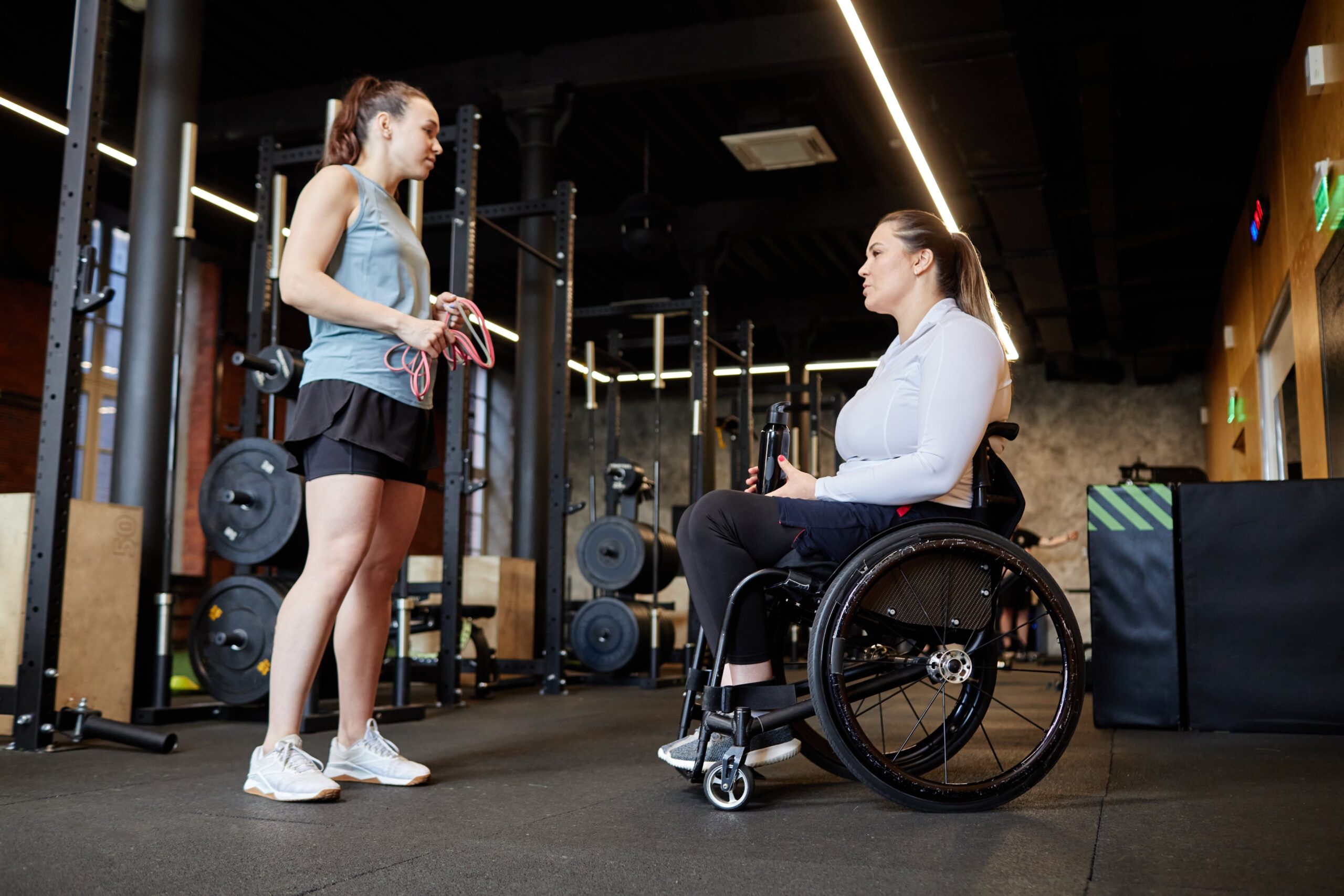
Shift swapping has become an essential component of workforce management for fitness businesses in Columbia, Missouri. In the dynamic environment of gyms and fitness studios, where instructor availability can change suddenly and client demands fluctuate throughout the year, having a flexible shift swapping system can mean the difference between seamless operations and scheduling chaos. Small fitness businesses in Columbia face unique challenges with staffing, from accommodating the schedules of part-time personal trainers and group fitness instructors to managing peak times around University of Missouri semesters. As Columbia’s fitness industry continues to grow, implementing effective shift swapping protocols has become a competitive necessity rather than just a convenient option.
The fitness industry’s unconventional hours—with early morning classes, evening peak times, and weekend sessions—makes traditional fixed scheduling particularly challenging for Columbia’s gym owners. When emergencies arise or personal conflicts occur, the ability for fitness professionals to quickly and efficiently swap shifts ensures classes remain covered and members receive uninterrupted service. In this comprehensive guide, we’ll explore everything fitness studio owners and managers in Columbia need to know about implementing and optimizing shift swapping systems, from establishing clear policies to leveraging modern technology solutions like Shyft to streamline the process.
Understanding Shift Swapping in Fitness Studios
Shift swapping is a flexible scheduling practice that allows fitness professionals to trade assigned work hours with colleagues. For Columbia fitness businesses, this process provides crucial adaptability in managing instructor schedules across various types of classes and training sessions. At its core, shift swapping empowers employees to resolve scheduling conflicts independently while ensuring all shifts remain adequately covered.
- Definition and Purpose: Shift swapping allows fitness instructors to exchange scheduled work hours with qualified colleagues when they cannot work their assigned times, maintaining class coverage without manager intervention.
- Common Applications: In Columbia’s fitness studios, shift swaps are frequently used for personal emergencies, academic schedule conflicts (especially around MU exam periods), family obligations, and health issues.
- Types of Shift Swapping: Options include direct swaps between two instructors, shift giveaways where one employee relinquishes hours, partial shift coverage, and shift marketplace systems where open shifts become available to qualified staff.
- Role in Modern Scheduling: Shift swapping has evolved from an informal courtesy to a structured process that integrates with employee scheduling software and workforce management systems.
- Columbia-Specific Considerations: Local fitness businesses must account for university schedules, seasonal demand fluctuations, and the city’s growing health-conscious population when designing shift swap systems.
Understanding these fundamentals provides the foundation for implementing effective shift swapping protocols in your Columbia fitness facility. According to industry research, fitness businesses that implement formalized shift swapping processes report up to 30% fewer class cancellations and significantly higher instructor satisfaction. This is particularly important in a competitive market like Columbia, where client retention often depends on consistency and reliability of favorite instructors.

Benefits of Shift Swapping for Columbia Gym Owners and Employees
Implementing a structured shift swapping system offers numerous advantages for both fitness business owners and staff members in Columbia. With the city’s unique blend of university students, young professionals, and families seeking fitness options, flexibility in scheduling becomes not just convenient but essential for business success. When properly managed, shift swapping can transform potential scheduling challenges into opportunities for operational excellence.
- Reduced Administrative Burden: Gym managers spend significantly less time on scheduling adjustments when employees can coordinate swaps directly through shift marketplace platforms, freeing up management to focus on business growth.
- Improved Class Coverage: Columbia fitness studios report fewer class cancellations when instructors have easy mechanisms to find qualified replacements, leading to higher member satisfaction and retention.
- Enhanced Employee Satisfaction: Flexibility in scheduling is particularly valued by Columbia’s fitness professionals, many of whom balance teaching with studies at MU or other professional commitments.
- Better Work-Life Balance: Instructors can more easily accommodate personal needs without compromising their professional commitments, leading to less burnout and lower turnover rates.
- Emergency Preparedness: Particularly important during Columbia’s seasonal weather events, having a robust shift swapping system ensures coverage when unexpected situations arise.
- Cost Efficiency: Effective shift swapping helps optimize labor costs by ensuring appropriate staffing levels without over-scheduling or paying premium rates for last-minute coverage.
A recent survey of fitness businesses in mid-Missouri found that studios with formalized shift swapping processes experienced 22% higher employee retention rates compared to those without such systems. This benefit of employee satisfaction translates directly to the bottom line, as the cost of recruiting and training new fitness staff can be substantial. In Columbia’s competitive fitness market, where specialized instructors are in high demand, retaining quality staff through flexible scheduling policies represents a significant competitive advantage.
Common Challenges in Fitness Studio Shift Swapping
While shift swapping offers numerous benefits, Columbia fitness businesses face several challenges when implementing these systems. Understanding and proactively addressing these obstacles is essential for creating a sustainable shift swapping process that works for both management and staff. Many of these challenges are particularly relevant to Columbia’s fitness market, with its mix of specialized boutique studios and larger multi-purpose facilities.
- Qualification Matching: Ensuring swapped shifts are covered by properly certified instructors is crucial, especially for specialized classes like yoga, cycling, or high-intensity interval training popular in Columbia studios.
- Communication Gaps: Without proper team communication systems, shift swap arrangements may not be properly documented, leading to confusion and potential uncovered classes.
- Last-Minute Changes: Columbia’s unpredictable weather patterns and university event schedules can lead to sudden unavailability, making it difficult to find replacements on short notice.
- Policy Enforcement: Maintaining consistent application of swap rules across all employees prevents favoritism and ensures fairness in the distribution of desirable and less desirable shifts.
- Tracking and Documentation: Without proper systems, managers struggle to maintain accurate records of who is actually working each shift, creating payroll and accountability issues.
- Member Experience Consistency: Frequent instructor changes can impact the member experience, particularly in specialized training environments where clients develop relationships with specific trainers.
One Columbia gym owner reported: “Before implementing a formal shift swapping system, we had instructors arranging swaps through text messages. This led to several instances where classes were double-booked or left uncovered entirely.” This experience highlights the importance of having structured processes and technology in shift management. Fortunately, modern scheduling solutions can address many of these challenges through automated qualification matching, approval workflows, and centralized communication.
Setting Up an Effective Shift Swapping System
Creating a well-designed shift swapping system requires thoughtful planning and clear guidelines. For Columbia fitness businesses, this means developing processes that accommodate the specific needs of different instructor types while maintaining operational standards. A successful implementation begins with establishing clear policies and ensuring all team members understand the procedures.
- Establish Clear Policy Guidelines: Develop written policies that outline swap eligibility, timeframes for requests, approval processes, and documentation requirements specific to your Columbia fitness facility.
- Define Qualification Requirements: Create a skills matrix that clearly identifies which instructors are qualified to cover specific class types, ensuring that specialty classes unique to your studio maintain consistent quality.
- Implement Approval Workflows: Determine whether shift swaps require manager approval or if qualified staff can arrange direct exchanges through shift swapping mechanisms.
- Choose Appropriate Technology: Select employee scheduling software with shift swapping capabilities that integrates with your existing business systems.
- Set Reasonable Timeframes: Establish minimum notice periods for shift swap requests while allowing flexibility for genuine emergencies, particularly important during Columbia’s severe weather seasons.
- Create Communication Protocols: Define how shift changes should be communicated to management, affected staff, and clients to ensure smooth transitions.
A Columbia cycling studio successfully implemented a tiered approach to shift swapping: routine swaps (requested more than 72 hours in advance) could be arranged directly between qualified instructors through their scheduling app, while emergency swaps required manager notification. This balanced efficiency with appropriate oversight. When setting up your system, consider consulting with implementation and training experts who can help tailor solutions to your specific business model and staff needs.
Best Practices for Managing Shift Swaps
Once you’ve established a shift swapping system for your Columbia fitness business, following industry best practices will help maximize its effectiveness while minimizing potential problems. These strategies are particularly relevant in the competitive Columbia fitness market, where maintaining high-quality class experiences is essential for member retention.
- Maintain Visibility and Transparency: Use digital platforms that allow all qualified staff to see available shift swap opportunities, creating a fair environment for accessing additional hours.
- Monitor Swap Patterns: Regularly review shift swap data to identify trends that may indicate scheduling problems, instructor burnout, or opportunities for schedule optimization.
- Set Swap Limits: Consider implementing reasonable limits on how frequently instructors can swap shifts to maintain class consistency for members who attend regular sessions.
- Integrate with Payroll Systems: Ensure your shift swapping process automatically updates payroll records to avoid compensation errors and reduce administrative work.
- Provide Adequate Training: Thoroughly train all staff on using your shift marketplace platform and following established protocols to prevent misunderstandings.
- Balance Flexibility with Accountability: While accommodating reasonable swap requests, maintain clear expectations about each instructor’s responsibility to their scheduled shifts.
A successful approach used by a Columbia pilates studio involves monthly reviews of shift swap data to identify patterns and make proactive scheduling adjustments. This studio found that examining swap trends revealed valuable insights about instructor preferences and client attendance patterns, allowing them to optimize their regular schedule and reduce the need for frequent swaps. As fitness industry expert Maria Johnson notes, “The goal isn’t just to facilitate shift swaps but to learn from them to create better primary schedules.” Implementing performance metrics for shift management can help track the effectiveness of your system.
Technology Solutions for Fitness Studios
Modern technology has revolutionized shift swapping for fitness businesses, making the process more efficient and reliable than traditional methods. For Columbia gym owners, implementing the right digital solutions can dramatically improve scheduling flexibility while reducing administrative burdens. The most effective platforms offer comprehensive features specifically designed for the unique needs of fitness operations.
- Mobile-First Platforms: Solutions like Shyft offer mobile apps that allow fitness instructors to view schedules, request swaps, and receive notifications anywhere, ideal for busy professionals constantly moving between locations.
- Qualification Matching: Advanced scheduling software automatically filters swap opportunities to show only qualified instructors for specialized fitness classes, maintaining quality standards.
- Real-Time Notifications: Instant alerts for swap requests, approvals, and schedule changes ensure all parties stay informed without constant manual communication.
- Integration Capabilities: Look for platforms that integrate with your fitness management software, payroll systems, and member communication tools for seamless operations.
- Automated Approval Workflows: Configurable approval processes that can be tailored to your gym’s specific policies and organizational structure.
- Analytics and Reporting: Data-driven insights about swap patterns help identify scheduling issues and optimize future schedules based on actual staff availability patterns.
One Columbia CrossFit facility implemented a digital shift swapping platform and reported an 85% reduction in scheduling-related manager interventions within the first month. Their operations director commented, “What used to take hours of back-and-forth messaging now happens automatically within our system. Instructors love the autonomy, and management appreciates the visibility.” When evaluating technology options, consider both immediate needs and growth potential. Integration scalability is particularly important for multi-location fitness businesses or those planning expansion in Columbia’s growing wellness market.
Compliance and Policy Considerations
While shift swapping offers valuable flexibility, fitness business owners in Columbia must ensure their practices comply with labor regulations and internal policies. Proper documentation and clear guidelines help protect both the business and employees from potential compliance issues while maintaining operational standards.
- Labor Law Compliance: Missouri labor laws must be considered when implementing shift swapping, particularly regarding overtime calculations when employees pick up additional shifts.
- Documentation Requirements: Maintain complete records of all shift changes, including who worked each shift, to ensure accurate payroll processing and comply with record keeping and documentation requirements.
- Overtime Management: Establish clear policies on how shift swaps that result in overtime hours will be handled, including approval requirements and pay rate clarifications.
- Fairness and Anti-Discrimination: Ensure shift swapping opportunities are available equally to all qualified staff to avoid potential discrimination claims.
- Certification Verification: Implement systems to verify that employees covering specialty fitness classes maintain appropriate certifications and qualifications.
- Client Notification Policies: Establish protocols for informing members about instructor changes, particularly for personal training sessions or specialty classes with dedicated followings.
Columbia fitness businesses should consider developing a formal shift swapping policy as part of their employee handbook. This document should clearly outline the process, eligibility criteria, approval requirements, and consequences for policy violations. Regular policy reviews ensure your guidelines remain current with changing business needs and regulatory requirements. As one Columbia gym owner advised, “Having clear policies in writing prevented disputes when we had to deny certain swap requests that would have created overtime issues.” For additional guidance, explore compliance with labor laws resources specific to fitness industry scheduling practices.

Training Staff on Proper Shift Swapping Procedures
Effective training ensures all team members understand and correctly follow your shift swapping protocols. For Columbia fitness studios, proper training reduces errors, improves adoption rates, and helps maintain consistent service quality even when instructors change. A comprehensive training approach addresses both the technical aspects of your system and the underlying policies.
- Onboarding Integration: Include shift swapping procedures in your initial onboarding process for all new fitness instructors and personal trainers joining your Columbia facility.
- Hands-On Platform Training: Provide practical demonstrations of how to use your digital shift swapping platform, with guided practice sessions for requesting and accepting swaps.
- Policy Education: Clearly communicate the rules governing shift swaps, including timeframes, approval requirements, and qualification matching expectations.
- Role-Specific Training: Offer specialized instruction for managers who will be approving swaps or monitoring the system, focusing on compliance considerations and exception handling.
- Scenario-Based Exercises: Use realistic examples relevant to your fitness business to practice proper swap procedures, including emergency situations and holiday coverage.
- Refresher Sessions: Schedule periodic training updates to reinforce protocols and introduce new features or policy changes as your system evolves.
A Columbia yoga studio successfully implemented a “buddy system” where experienced instructors mentored new hires on shift swapping procedures during their first month. This approach significantly reduced errors and increased new staff confidence in using the system. Remember that training isn’t just about technical competence—it’s also about creating a culture that values responsibility and communication when it comes to schedule changes. For additional resources on this topic, explore training for effective communication and collaboration within your fitness team.
Measuring the Impact of Shift Swapping in Your Fitness Business
To ensure your shift swapping system is delivering value to your Columbia fitness business, establish clear metrics to track its effectiveness. Regular assessment helps identify improvement opportunities and quantify the benefits for both operational efficiency and staff satisfaction. Combining quantitative data with qualitative feedback provides a comprehensive view of system performance.
- Operational Metrics: Track class coverage rates, schedule adherence, and instances of uncovered shifts before and after implementing your shift swapping system.
- Administrative Efficiency: Measure time spent by management on scheduling issues and compare it to pre-implementation baselines to quantify administrative cost reductions.
- Employee Satisfaction: Conduct regular surveys to assess instructor satisfaction with scheduling flexibility and work-life balance enabled by shift swapping capabilities.
- Member Experience: Monitor client feedback specifically related to instructor consistency and class quality to ensure shift swaps aren’t negatively impacting the member experience.
- Financial Impact: Calculate cost savings from reduced overtime, optimized staffing levels, and improved retention of valuable fitness instructors.
- System Utilization: Analyze usage patterns to determine adoption rates and identify potential training or process improvement needs.
A comprehensive evaluation approach used by one Columbia fitness center includes monthly review of key metrics combined with quarterly staff feedback sessions. This balanced assessment revealed that their shift swapping system reduced schedule-related administrative work by 68% while improving instructor satisfaction scores by 42% in the first year. “The data confirmed what we were feeling anecdotally—that having a reliable shift swapping system was creating tangible business value,” noted the owner. For assistance with establishing appropriate metrics for your business, explore tracking metrics resources tailored to fitness business operations.
Future Trends in Fitness Industry Shift Swapping
The landscape of workforce management in the fitness industry continues to evolve, with emerging technologies and changing workforce expectations driving innovation in shift swapping approaches. Columbia fitness businesses can gain competitive advantage by staying ahead of these trends and adapting their systems accordingly. Understanding where the industry is heading helps inform strategic decisions about scheduling technology investments.
- AI-Driven Scheduling Recommendations: Artificial intelligence is beginning to transform shift management by predicting optimal swap matches based on qualification profiles, historical preferences, and availability patterns.
- Cross-Studio Collaboration: Some fitness businesses in Columbia are exploring collaborative instructor pools that allow qualified staff to pick up shifts across multiple affiliated studios.
- Integrated Wellness Considerations: Advanced systems are incorporating instructor wellness metrics to prevent burnout by flagging potentially problematic shift patterns before they cause issues.
- Real-Time Availability Updates: Instantaneous updates allow fitness professionals to signal availability changes through mobile apps, creating more dynamic scheduling possibilities.
- Client Preference Matching: Emerging systems consider client preferences and attendance patterns when recommending appropriate instructor substitutions for specialized fitness programs.
- Gig Economy Integration: Platforms are increasingly facilitating connections with qualified freelance fitness instructors who can fill temporary coverage needs through secure marketplaces.
Industry experts predict that AI scheduling software benefits will continue to expand, with increasingly sophisticated algorithms optimizing both business outcomes and employee preferences. “The fitness studios that will thrive in Columbia’s competitive market are those that embrace these technological innovations while maintaining their unique culture and personal touch,” observes fitness industry consultant James Peterson. Forward-thinking gym owners should stay informed about trends in scheduling software to ensure their operations remain competitive in attracting both members and top instructor talent.
Conclusion
Implementing an effective shift swapping system represents a significant opportunity for Columbia’s fitness businesses to enhance operational flexibility while improving instructor satisfaction and member experience. By establishing clear policies, leveraging appropriate technology, and maintaining proper oversight, gym owners can transform scheduling challenges into strategic advantages. The right approach balances employee autonomy with business needs, creating a win-win scenario for all stakeholders.
Success in shift swapping implementation requires attention to several key action points. First, develop comprehensive written policies that clearly outline the rules and expectations for shift exchanges. Second, invest in user-friendly technology platforms like Shyft’s shift marketplace that streamline the process while maintaining appropriate controls. Third, provide thorough training to ensure all team members understand how to use the system effectively. Fourth, regularly monitor and evaluate your shift swapping metrics to identify improvement opportunities. Finally, stay informed about emerging trends to ensure your approach remains current with industry best practices. By following these guidelines, Columbia fitness studios can create scheduling systems that enhance business performance while supporting the work-life balance needs of valuable fitness professionals.
FAQ
1. How can our Columbia gym ensure shift swaps maintain class quality?
Maintaining class quality during shift swaps requires a systematic approach to qualification matching. Start by documenting the specific certifications, experience levels, and specialties required for each class type offered at your Columbia fitness facility. Configure your scheduling software to allow swaps only between appropriately qualified instructors. Consider implementing a tiered approval system where routine swaps between equally qualified instructors can proceed automatically, while swaps involving different specialties require manager review. Regular member feedback surveys specifically addressing substitute instructor experiences can help identify any quality concerns. Additionally, create clear class templates and teaching standards that all instructors must follow, making transitions between instructors smoother for members. For specialized programs with dedicated followings, consider designating primary and secondary instructors who regularly teach the format to minimize disruption when swaps are necessary.
2. What are the most common shift swapping policy violations in fitness studios?
The most frequent policy violations in fitness studio shift swapping include unauthorized direct exchanges without proper documentation, last-minute cancellations without finding replacements, swaps with unqualified instructors for specialized classes, and failure to communicate changes to management or members. Other common issues include repeated pattern avoidance of certain class times, creating overtime situations through excessive shift pickups, and informal subcontracting to non-employees. Columbia fitness businesses can prevent these violations through clear written policies, regular training refreshers, consistent enforcement, and digital platforms that automate rule compliance. Consider implementing a progressive consequence system for repeat violations while recognizing employees who consistently follow proper protocols. Scheduling software mastery among your team can significantly reduce policy violations by building rule enforcement directly into the swap process.
3. How can our studio balance flexibility with maintaining consistent client experiences?
Balancing flexibility with client experience consistency requires thoughtful policies and communication strategies. Start by analyzing which classes and training sessions at your Columbia gym have the highest member sensitivity to instructor changes. For these high-sensitivity offerings, consider implementing stricter swap policies, such as limiting substitutions to a small pool of pre-approved alternates who maintain similar teaching styles. Develop comprehensive class format guidelines that standardize key elements while allowing for appropriate instructor personality. Implement a member notification system that proactively alerts clients to instructor changes, particularly for personal training sessions and specialty classes. Consider using client-friendly shift scheduling approaches that limit the frequency of changes during popular class times. Many successful Columbia fitness businesses have found that transparency about scheduling challenges combined with consistent class experiences regardless of instructor creates member understanding while supporting necessary staff flexibility.
4. What technology features are most important for fitness studio shift swapping?
When selecting shift swapping technology for your Columbia fitness studio, prioritize features that address the unique needs of fitness businesses. Mobile accessibility is essential, as instructors are often on the move between sessions. Look for qualification matching capabilities that automatically filter swap opportunities based on instructor certifications and specialties. Real-time notifications ensure all parties stay informed about swap requests and approvals. Integration with your member management, payroll, and scheduling systems prevents manual data transfer errors. User-friendly interfaces encourage adoption among staff with varying technical abilities. Reporting features help identify scheduling patterns and improvement opportunities. Evaluating system performance regularly ensures the technology continues meeting your needs as your business evolves. Consider platforms specifically designed for fitness operations rather than generic scheduling tools, as they typically include industry-specific features that enhance functionality for class-based businesses.
5. How should we handle emergency shift coverage needs?
Emergency shift coverage requires both technological solutions and procedural clarity. Establish a clear definition of what constitutes an “emergency” in your Columbia fitness business context, distinguishing it from routine schedule conflicts. Implement an emergency notification system within your scheduling platform that immediately alerts all qualified staff about urgent coverage needs. Consider creating an “emergency coverage team” of instructors who receive incentives for being on standby during challenging periods like winter weather months. Develop a prioritized contact sequence for different class types, ensuring specialized formats have dedicated backup plans. Some Columbia studios successfully implement “emergency coverage bonuses” to incentivize last-minute shift pickups during particularly difficult situations. Document your emergency procedures in writing and review them regularly with staff. Mobile technology solutions that enable rapid communication and shift acceptance are particularly valuable for emergency situations, allowing instructors to respond quickly even when away from their computers.







