


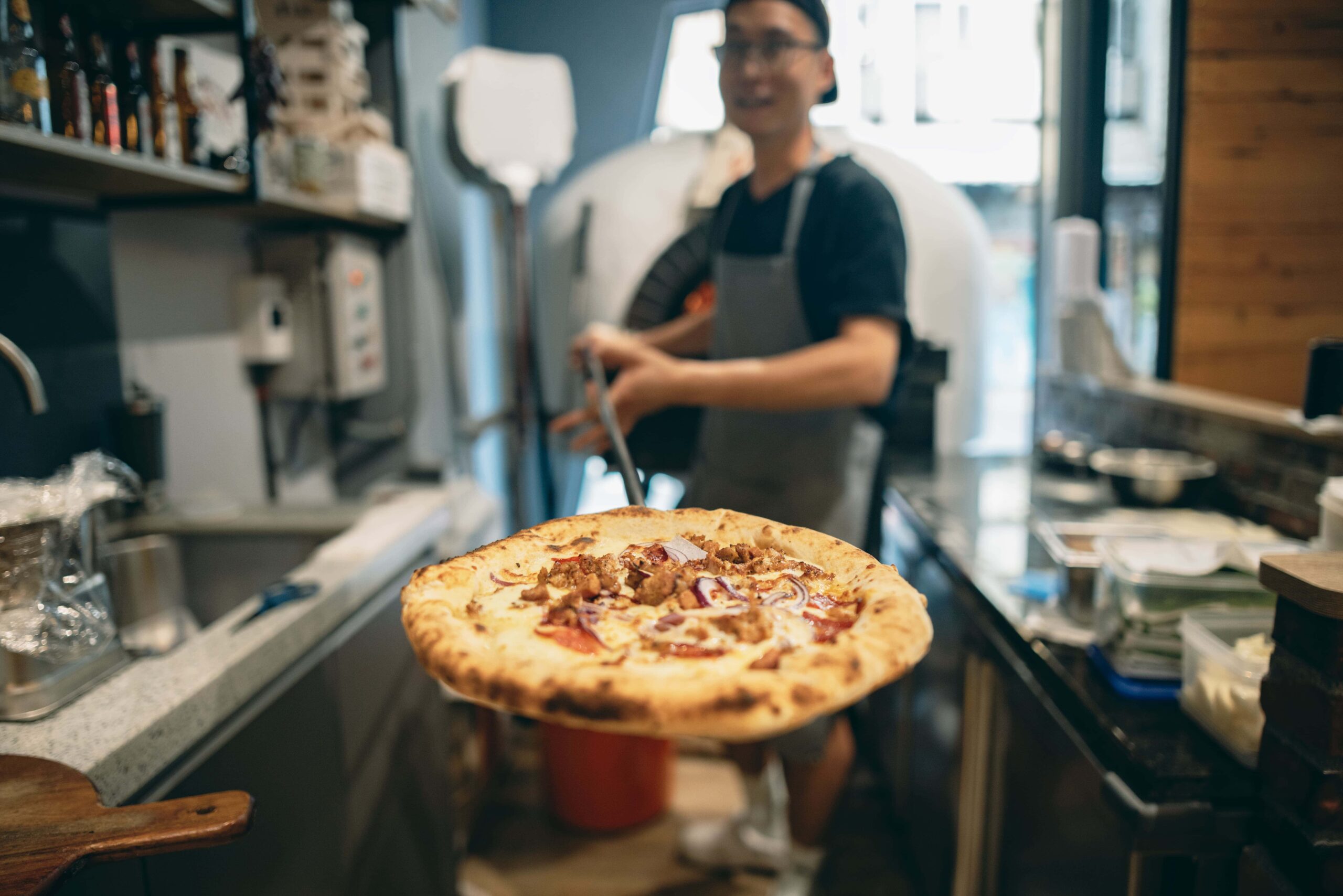
Effective scheduling is the backbone of any successful pizzeria in Anniston, Alabama. The bustling food service industry in this vibrant city demands precise staff management to ensure quality service during peak hours while controlling labor costs during slower periods. Pizzeria owners face unique challenges including unpredictable rush hours, weekend surges, and special events that can dramatically impact staffing needs. With proper scheduling services, these small businesses can transform their operations, improve employee satisfaction, and ultimately increase profitability in the competitive Anniston food scene.
For Anniston pizzerias, implementing the right scheduling solution isn’t just about filling shifts—it’s about strategic workforce management that aligns with business goals. Modern employee scheduling services offer tools specifically designed to address the distinctive requirements of food service businesses, providing flexibility and control that traditional paper schedules or basic spreadsheets simply cannot match. From managing delivery drivers during Alabama football game days to adjusting cook schedules during seasonal fluctuations, the right scheduling approach can make all the difference in operational success.
Understanding the Unique Scheduling Challenges for Anniston Pizzerias
Pizzerias in Anniston face distinct scheduling challenges that differ from other businesses in the area. The city’s unique demographic composition, local events, and economic patterns create a specific operational environment that requires tailored scheduling approaches. Understanding these challenges is the first step toward implementing effective solutions that work specifically for the Anniston market.
- Fluctuating Demand Patterns: Anniston pizzerias experience significant business surges during Jacksonville State University events, Fort McClellan activities, and local festivals that require rapid staffing adjustments.
- Seasonal Tourism Impact: The summer months bring increased tourism to attractions like the Anniston Museum of Natural History and Coldwater Mountain Bike Trail, creating seasonal staffing needs.
- Competition for Quality Staff: With multiple food service establishments in the area, retaining reliable employees through favorable scheduling practices becomes essential.
- Weather Considerations: Alabama’s unpredictable weather patterns, including summer storms and occasional winter weather events, can dramatically affect delivery schedules and walk-in traffic.
- Split Shifts Requirements: Many Anniston pizzerias need coverage for both lunch and dinner rushes without overstaffing during mid-afternoon lulls, creating complex scheduling scenarios.
Addressing these challenges requires a scheduling system that offers both flexibility and precision. Traditional paper-based schedules simply can’t adapt quickly enough to the dynamic nature of Anniston’s food service industry. Modern scheduling services provide pizzeria owners with tools to respond to these unique local conditions while maintaining operational efficiency.

Key Benefits of Implementing Digital Scheduling for Pizzerias
Moving from manual scheduling processes to digital scheduling services delivers transformative benefits for Anniston pizzerias. The return on investment extends far beyond simple time savings, creating positive impacts across every aspect of pizzeria operations. When properly implemented, digital scheduling becomes a competitive advantage in the local food service market.
- Labor Cost Optimization: Digital scheduling tools like Shyft help pizzeria owners align staffing levels precisely with anticipated demand, potentially reducing labor costs by 10-15% through elimination of overstaffing.
- Time Savings for Management: Automated scheduling services save managers approximately 5-7 hours per week that would otherwise be spent creating and adjusting schedules, allowing more focus on customer service and quality control.
- Improved Employee Satisfaction: Platforms with shift marketplace capabilities allow staff to have input on their schedules and easily swap shifts, leading to greater work-life balance and reduced turnover.
- Enhanced Communication: Integrated team communication features ensure all staff receive schedule updates instantly, reducing no-shows and late arrivals by as much as 20%.
- Data-Driven Decision Making: Advanced scheduling services provide analytics that help identify optimal staffing patterns based on historical sales data specific to the Anniston market.
For Anniston’s pizzeria owners, these benefits translate directly to the bottom line. One local pizzeria reported saving over $1,200 per month after implementing digital scheduling services, primarily through better alignment of staff with actual business needs. This optimization is particularly valuable in a competitive market where profit margins can be tight and efficient operations are essential for sustainability.
Essential Features to Look for in Pizzeria Scheduling Software
When selecting a scheduling service for your Anniston pizzeria, certain features are particularly valuable for food service operations. The right combination of capabilities can address the specific needs of pizza restaurants, from managing delivery drivers to coordinating kitchen staff during rush periods. Understanding which features deliver the most value helps owners make informed decisions when investing in scheduling technology.
- Mobile Accessibility: Look for solutions with robust mobile access that allow staff to view schedules, request changes, and receive notifications on smartphones—essential for a young workforce.
- Shift Swapping Capabilities: Features that enable employees to trade shifts with management approval help address last-minute coverage issues common in pizzerias during busy weekends and special events.
- Real-time Labor Cost Tracking: Systems that provide up-to-the-minute labor cost percentages help managers make informed decisions about sending staff home early during unexpected slow periods.
- Integration Capabilities: Look for services that integrate with POS systems, payroll software, and other business tools to create a seamless operational ecosystem.
- Forecasting Tools: Advanced scheduling systems with sales forecasting capabilities help predict busy periods specific to Anniston’s unique patterns, such as increased delivery orders during JSU home games.
- Compliance Safeguards: Features that help ensure schedules comply with labor laws and regulations specific to Alabama can prevent costly penalties and legal issues.
While many scheduling services offer similar basic functionality, pizzeria owners should prioritize systems designed with food service operations in mind. These specialized solutions understand the unique workflows of restaurant environments, including the need to coordinate between front-of-house staff, kitchen personnel, and delivery drivers—all of whom have different scheduling requirements and constraints.
Managing Seasonal Fluctuations in Anniston’s Pizza Industry
Anniston’s pizzerias experience significant seasonal variations in customer demand that directly impact staffing requirements. From summer tourism peaks to the academic calendar of Jacksonville State University, these fluctuations require flexible and responsive scheduling approaches. Smart scheduling services provide the tools needed to adapt quickly to these predictable yet variable patterns.
- Academic Calendar Influence: Student populations significantly impact pizza demand, with order volumes increasing up to 40% when JSU is in session, requiring seasonal staffing adjustments.
- Summer Tourism Patterns: Warm weather months bring visitors to regional attractions, creating opportunities for additional business that require flexible staffing models.
- Local Event Coordination: Anniston’s community events calendar provides predictable spikes in demand that can be incorporated into advanced scheduling plans.
- Weather-Related Adjustments: Delivery orders typically increase during inclement weather, requiring on-demand scheduling capabilities to add drivers when needed.
- Holiday Season Preparedness: December brings increased catering and large order opportunities that require specialized scheduling strategies and temporary staff management.
Effective scheduling services allow Anniston pizzeria owners to create template schedules for different seasonal scenarios, quickly adjusting staffing levels based on anticipated demand patterns. This proactive approach prevents both understaffing during busy periods and costly overstaffing during slower times. Advanced scheduling platforms also facilitate cross-training initiatives that ensure staff versatility—a key advantage when adapting to seasonal fluctuations in the pizza business.
Employee-Friendly Scheduling Practices for Pizzeria Staff Retention
In Anniston’s competitive restaurant labor market, employee retention has become a critical concern for pizzeria owners. Staff turnover in the food service industry can exceed 70% annually, with each lost employee costing thousands in recruitment and training expenses. Implementing employee-friendly scheduling practices through modern scheduling services can significantly improve retention rates while maintaining operational efficiency.
- Advance Schedule Posting: Using scheduling software to publish schedules at least two weeks in advance gives employees better work-life balance and reduces last-minute conflicts.
- Preference-Based Scheduling: Systems that capture and honor employee availability preferences increase job satisfaction and demonstrate respect for personal commitments.
- Shift Trading Platforms: Digital shift marketplaces empower staff to resolve their own scheduling conflicts, creating flexibility that particularly appeals to student employees from JSU.
- Consistent Scheduling Patterns: When possible, maintaining regular shift patterns helps employees establish stable routines, which is especially important for part-time staff balancing multiple responsibilities.
- Fair Distribution of Premium Shifts: Using scheduling software to equitably distribute desirable (and less desirable) shifts builds staff trust and reduces perceptions of favoritism.
These employee-friendly practices don’t just benefit staff—they directly impact business performance. Pizzerias implementing such approaches through modern scheduling platforms report significant improvements in key performance indicators. One Anniston restaurant owner noted: “Since implementing our new scheduling system with employee preference features, we’ve cut turnover by nearly 40% and reduced no-shows by over half. The investment in better scheduling has paid for itself many times over.”
Compliance with Alabama Labor Laws in Pizzeria Scheduling
Ensuring schedule compliance with Alabama labor laws is essential for Anniston pizzeria owners. While Alabama follows federal regulations without many additional state-specific requirements, there are still important legal considerations that must be addressed in scheduling practices. Proper scheduling services can help automate compliance, reducing legal risks while maintaining operational flexibility.
- Minor Employment Regulations: Alabama has specific restrictions for employees under 18, including limited working hours during school periods and prohibited late-night hours that must be reflected in scheduling systems.
- Overtime Management: While Alabama doesn’t have state-specific overtime laws, federal FLSA regulations require overtime pay for hours worked beyond 40 per week, making accurate schedule tracking essential.
- Break Requirements: Though Alabama doesn’t mandate meal or rest breaks, many pizzerias voluntarily provide them, and scheduling software should accommodate these breaks in shift planning.
- Record Keeping Obligations: Federal law requires maintaining accurate time records for at least two years, making digital scheduling systems with integrated time tracking particularly valuable for compliance.
- At-Will Employment Considerations: While Alabama’s at-will employment doctrine provides flexibility, scheduling practices should still be consistent and non-discriminatory to avoid potential legal issues.
Modern scheduling services provide built-in safeguards that help prevent inadvertent violations of labor regulations. These systems can automatically flag potential compliance issues, such as scheduled overtime or inappropriate shifts for minor employees. As one Anniston pizzeria manager explained, “Having automated compliance alerts in our scheduling software has prevented several potential violations that could have resulted in significant penalties. It’s like having a labor law expert reviewing every schedule.”
Integrating Scheduling with Other Pizzeria Management Systems
For Anniston pizzerias, the real power of modern scheduling services comes from integration with other business management systems. When scheduling connects seamlessly with point-of-sale systems, inventory management, payroll processing, and other operational tools, it creates a comprehensive ecosystem that streamlines management and improves data consistency across the business.
- POS System Integration: Connecting scheduling with point-of-sale systems allows labor costs to be automatically calculated as a percentage of sales, providing real-time profitability insights.
- Payroll Processing: Integrated payroll systems eliminate manual data entry, reducing errors and ensuring employees are paid accurately for scheduled and worked hours.
- Inventory Management: Staff schedules that align with inventory levels and prep requirements help ensure appropriate resources for anticipated business volume.
- Customer Relationship Management: Scheduling extra staff for known catering events or large orders captured in CRM systems improves service quality and preparation.
- Delivery Management Platforms: Integration with delivery systems helps coordinate driver scheduling based on anticipated delivery volume and geographic coverage needs.
These integration capabilities provide Anniston pizzeria owners with a holistic view of their operations, allowing data-driven decisions that optimize both staffing and overall business performance. The ability to correlate scheduling data with sales figures, customer satisfaction metrics, and other operational indicators creates powerful insights that would be impossible with isolated systems. As scheduling becomes part of this broader operational ecosystem, it transforms from a simple administrative task into a strategic business function.

Mobile Scheduling Solutions for On-the-Go Pizzeria Management
For busy Anniston pizzeria owners and managers who rarely sit at a desk, mobile scheduling solutions have become indispensable tools for maintaining operational control. The ability to create, adjust, and communicate schedules from anywhere at any time provides the flexibility needed in the fast-paced pizza business, where conditions can change rapidly and require immediate scheduling adjustments.
- Real-Time Schedule Adjustments: Mobile scheduling apps allow managers to respond instantly to unexpected staff callouts or sudden business surges, even when away from the restaurant.
- Push Notifications: Instant alerts about schedule changes, shift openings, or employee requests ensure all parties stay informed without delays or miscommunication.
- GPS-Enabled Features: Some advanced scheduling services offer location-based clock-in capabilities, ensuring staff are actually on-site when starting shifts.
- Photo Sharing Capabilities: Mobile platforms with image sharing allow staff to document situations that affect scheduling, such as weather conditions or unexpected maintenance issues.
- Cross-Platform Compatibility: The best mobile scheduling solutions work seamlessly across iOS and Android devices, accommodating the diverse technology preferences of pizzeria staff.
The mobile-first approach to scheduling is particularly valuable for multi-location pizzeria operations in the greater Anniston area. Owners or managers overseeing multiple restaurants can maintain visibility and control across all locations from a single mobile interface. This capability enables them to allocate staff resources efficiently, moving employees between locations when necessary to address varying customer demand or unexpected staffing shortages.
Data-Driven Scheduling Strategies for Pizzeria Success
Advanced scheduling services provide Anniston pizzeria owners with powerful analytics and reporting capabilities that transform scheduling from guesswork into a data-driven strategic function. By leveraging historical data, predictive analytics, and performance metrics, these systems help optimize staffing decisions to match business patterns specific to the Anniston market.
- Sales Pattern Analysis: Historical data analysis identifies peak business periods unique to Anniston, such as increased orders during Fort McClellan events or JSU home games.
- Weather Impact Modeling: Advanced forecasting tools correlate weather patterns with historical sales data to predict delivery demand surges during rainy days or extreme temperatures.
- Staff Performance Metrics: Productivity data helps identify your strongest employees for crucial shifts, placing top performers during peak hours to maximize sales and customer satisfaction.
- Labor Cost Optimization: Analytics reveal the optimal staff-to-sales ratio for different day parts, helping maintain target labor percentages without compromising service quality.
- Predictive Scheduling: AI-powered scheduling systems can predict future staffing needs based on multiple variables, including upcoming local events, seasonal patterns, and marketing promotions.
This data-driven approach creates a virtuous cycle of continuous improvement. As more operational data flows into the scheduling system, its predictions and recommendations become increasingly accurate. One Anniston pizzeria owner reported: “Our scheduling analytics revealed that we were consistently understaffed on Thursdays between 5-7 PM—a pattern we hadn’t noticed. Adjusting our schedule to add one server during this window increased sales by over $500 weekly while improving customer satisfaction scores.”
Training Staff on Effective Schedule Management
Implementing a new scheduling system is only effective when staff at all levels understand how to use it properly. Comprehensive training ensures that both managers and employees can leverage the full capabilities of scheduling services, maximizing the return on investment. For Anniston pizzerias, developing a structured training approach helps overcome resistance to new technology and establishes consistent scheduling protocols.
- Role-Specific Training: Different training modules for managers, shift leaders, and staff members ensure each group understands their specific responsibilities within the scheduling system.
- Hands-On Learning Sessions: Interactive training that allows staff to practice using the scheduling platform on their own devices increases comfort and competence with the system.
- Video Tutorials and Quick Reference Guides: Supplemental training resources provide on-demand assistance for staff who need refreshers on specific features.
- Phased Implementation: Introducing features gradually prevents overwhelming staff and allows for mastery of basic functions before advancing to more complex capabilities.
- Designated Super Users: Identifying and training scheduling champions within the staff creates internal resources who can assist colleagues with questions or issues.
Training should emphasize not just the mechanical aspects of using the scheduling system but also the underlying principles of effective scheduling. When staff understand concepts like labor cost management, demand forecasting, and shift coverage requirements, they make better decisions within the scheduling process. This comprehensive approach to training creates a scheduling culture that extends beyond simply filling shifts to truly optimizing the pizzeria’s operations.
Measuring ROI and Success of Scheduling Implementations
To justify the investment in scheduling services, Anniston pizzeria owners need clear metrics that demonstrate the business impact of improved scheduling. Establishing key performance indicators (KPIs) before implementation creates benchmarks against which to measure success. These metrics should encompass both direct financial benefits and broader operational improvements that contribute to long-term business health.
- Labor Cost Percentage: Track changes in labor costs as a percentage of sales to quantify direct financial impact of optimized scheduling.
- Staff Turnover Rate: Measure reductions in employee churn that result from more consistent and employee-friendly scheduling practices.
- Schedule Adherence: Monitor improvements in on-time arrivals, reduced no-shows, and proper shift coverage that result from better communication and accountability.
- Management Time Savings: Calculate hours saved by managers and owners that were previously spent on manual scheduling tasks and can now be redirected to customer service or business development.
- Customer Satisfaction Scores: Correlate scheduling improvements with customer experience metrics to demonstrate the service quality impact of proper staffing levels.
Comprehensive scheduling software typically includes reporting features that automatically generate these metrics, making ROI calculation straightforward. Most Anniston pizzerias report recouping their investment in scheduling services within 3-6 months through labor cost savings alone, with additional benefits continuing to accrue over time. As one owner stated, “The $200 monthly subscription for our scheduling service saves us at least $1,500 in labor costs and another $800 in reduced turnover expenses—that’s a 1,150% return on investment.”
Conclusion: Transforming Pizzeria Operations Through Strategic Scheduling
For Anniston pizzeria owners, implementing the right scheduling service is not merely an operational upgrade—it’s a strategic business decision that impacts virtually every aspect of the enterprise. From optimizing labor costs and improving employee satisfaction to ensuring legal compliance and enhancing customer service, effective scheduling creates a foundation for sustainable success in the competitive local food service market. The transition from traditional scheduling methods to modern, digital solutions represents a pivotal step in the evolution of pizzeria management.
As the Anniston food scene continues to develop, pizzerias that embrace advanced scheduling technologies will be better positioned to adapt to changing market conditions, manage costs effectively, and deliver consistent customer experiences. By selecting a scheduling service that addresses the specific needs of pizza restaurants in the Anniston context, owners can transform what was once an administrative burden into a powerful competitive advantage. With solutions like Shyft offering specialized features for food service businesses, there’s never been a better time for local pizzerias to revolutionize their approach to workforce management and scheduling optimization.
FAQ
1. How much can scheduling software save my Anniston pizzeria in labor costs?
Most Anniston pizzerias report labor cost savings of 10-15% after implementing advanced scheduling software. These savings come from multiple sources: reduced overstaffing during slow periods, better alignment of staff skills with specific shifts, decreased overtime costs through improved schedule planning, and lower turnover-related expenses. For a pizzeria with monthly labor costs of $20,000, this can translate to savings of $2,000-$3,000 per month. The exact amount varies based on your current scheduling efficiency, business volume, and how effectively you utilize the software’s features. Most businesses achieve complete return on investment within 3-6 months of implementation.
2. What Alabama labor laws most impact pizzeria scheduling in Anniston?
While Alabama follows federal labor standards without many additional state-specific requirements, several regulations significantly impact pizzeria scheduling. First, Alabama’s youth employment laws restrict when minors can work, with different rules for 14-15 year-olds versus 16-17 year-olds, particularly during school periods. Second, although Alabama doesn’t have state overtime laws, federal FLSA regulations require time-and-a-half pay for hours worked beyond 40 per week. Third, Alabama’s at-will employment doctrine provides flexibility but requires consistent application of scheduling policies to avoid discrimination claims. Finally, while Alabama doesn’t mandate meal or rest breaks, establishing consistent break policies through your scheduling system is considered a best practice for staff wellness and productivity in food service operations.
3. How can I handle last-minute schedule changes in my Anniston pizzeria?
Modern scheduling services provide several effective tools for managing last-minute changes. First, implement a digital shift marketplace where employees can post and claim open shifts with manager approval, creating a self-service solution for coverage issues. Second, utilize push notifications to instantly alert all qualified staff about urgent openings, dramatically reducing the time spent making individual calls. Third, maintain an on-call list within your scheduling system of employees willing to work additional hours on short notice. Fourth, create tiered escalation protocols within your scheduling software that determine who to contact first when emergencies arise. Finally, use the analytics features to identify patterns in callouts or no-shows, allowing you to proactively schedule additional coverage during historically problematic periods.
4. Is cloud-based scheduling better than traditional methods for Anniston pizzerias?
Yes, cloud-based scheduling solutions offer significant advantages over traditional paper schedules or basic spreadsheets for Anniston pizzerias. Cloud systems provide real-time access for all staff regardless of location, essential for communicating sudden changes due to weather events or unexpected rushes. They enable mobile management through smartphones and tablets, allowing owners to adjust schedules while away from the restaurant. Cloud platforms also offer automatic backup and data security, protecting against schedule loss or damage common with paper systems. Additionally, they facilitate integrated communication, time tracking, and analytics that traditional methods simply cannot match. While some pizzeria owners express concerns about internet reliability, most cloud systems include offline functionality that synchronizes when connectivity is restored, making them the superior choice for modern pizzeria operations.
5. How can scheduling software help with employee retention in my pizzeria?
Scheduling software significantly improves employee retention through several mechanisms. First, it enables consistent advance posting of schedules, giving staff the predictability they need to balance work with personal commitments—a top priority for today’s workforce. Second, it allows employees to input availability preferences and request time off digitally, creating transparency and reducing scheduling conflicts that often lead to job dissatisfaction. Third, shift trading capabilities provide flexibility that particularly appeals to student employees common in Anniston pizzerias. Fourth, scheduling software helps ensure fair distribution of desirable and less desirable shifts, reducing perceptions of favoritism that can drive turnover. Finally, the improved communication features create a more connected workplace where employees feel informed and valued. Pizzerias using advanced scheduling systems consistently report retention improvements of 20-30% compared to traditional scheduling methods.







