


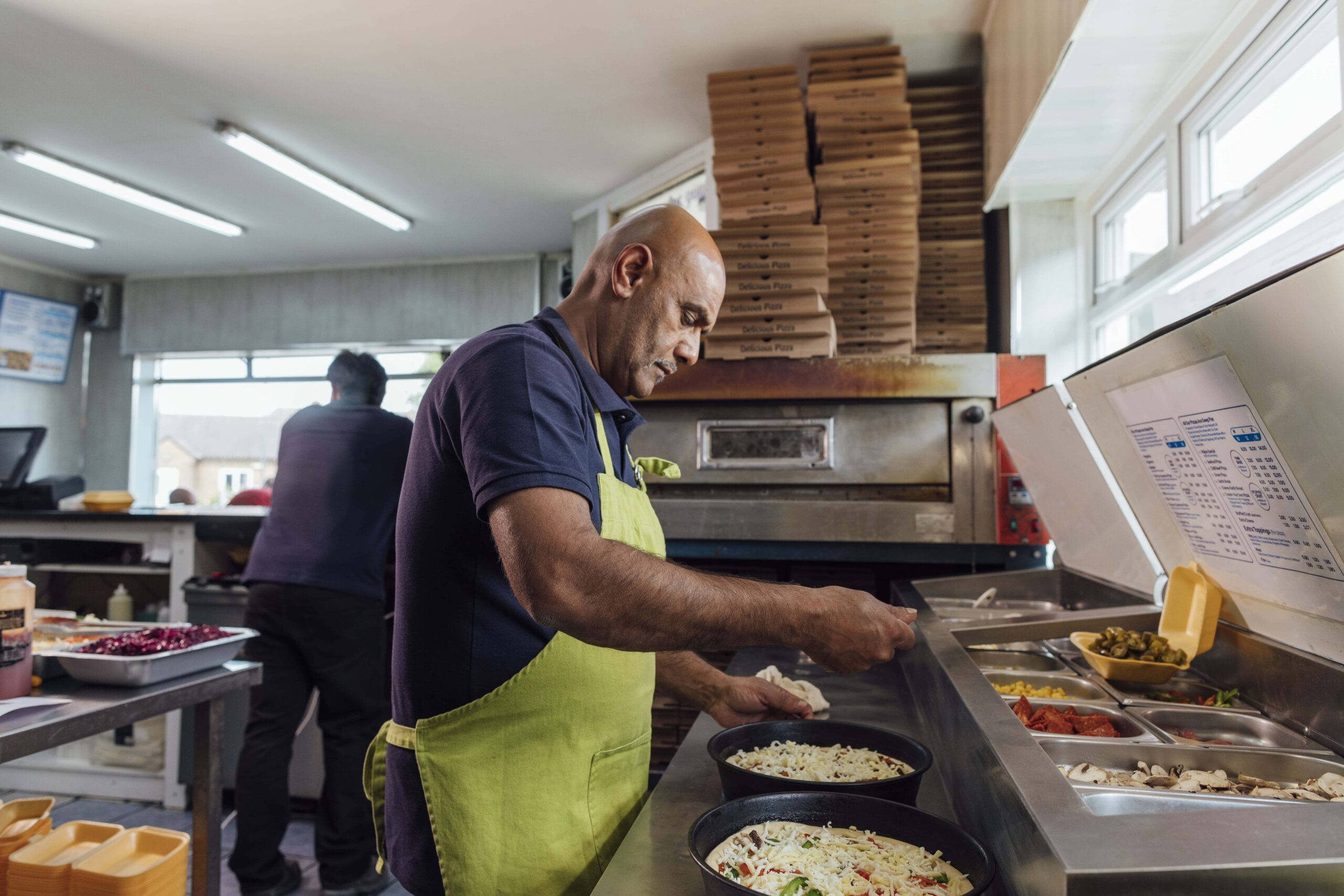
Managing staff schedules efficiently is crucial for pizzeria success in the competitive West Palm Beach market. With the unique blend of year-round tourism, seasonal fluctuations, and the fast-paced nature of food service, pizzeria owners face distinct scheduling challenges that can significantly impact both customer satisfaction and operational costs. Effective scheduling doesn’t just ensure appropriate staffing levels—it directly affects employee satisfaction, customer service quality, and ultimately, your bottom line. In today’s competitive restaurant landscape, implementing modern scheduling services has evolved from a convenience to a necessity for pizzerias aiming to optimize operations while maintaining the flexibility needed to adapt to West Palm Beach’s dynamic market conditions.
The rise of digital scheduling solutions has revolutionized how small businesses, particularly pizzerias, manage their workforce. Beyond simply filling shifts, advanced scheduling systems provide data-driven insights that help owners anticipate busy periods, control labor costs, and create work environments that retain valuable employees. For West Palm Beach pizzerias dealing with everything from lunch rushes to late-night deliveries, from spring break crowds to summer slowdowns, having the right scheduling infrastructure creates a foundation for sustainable growth. Implementing tools like employee scheduling software can transform scheduling from a time-consuming administrative burden into a strategic advantage that supports both business objectives and employee needs.
Understanding the Unique Scheduling Challenges for West Palm Beach Pizzerias
Pizzerias in West Palm Beach face distinct scheduling challenges driven by the area’s tourism patterns, climate considerations, and competitive food service landscape. Unlike pizzerias in other markets, West Palm Beach establishments must navigate significant seasonal fluctuations while maintaining consistent quality and service standards. Understanding these unique challenges is the first step toward implementing effective scheduling solutions that address your specific business needs.
- Seasonal Tourism Fluctuations: West Palm Beach experiences dramatic changes in customer volume between peak tourist season (November-April) and off-season, requiring completely different staffing models throughout the year.
- Weather-Related Disruptions: Hurricane season and sudden tropical storms can cause unpredictable staffing challenges, requiring flexible scheduling systems that can quickly adapt to emergency situations.
- Diverse Workforce Demographics: Many pizzerias employ a mix of full-time staff, part-time students from local colleges, and seasonal workers, each with different availability constraints and scheduling needs.
- Extended Operating Hours: Many West Palm Beach pizzerias offer late-night service to accommodate the area’s active nightlife, creating scheduling complexities across multiple dayparts.
- Competition for Skilled Staff: The concentration of restaurants and hospitality businesses in the area creates intense competition for reliable employees, making efficient scheduling essential for retention.
Advanced employee scheduling solutions provide the flexibility needed to address these challenges through automated systems that can quickly adjust to changing conditions. Rather than struggling with spreadsheets or paper schedules, pizzeria owners can leverage technology designed specifically for the dynamic nature of food service businesses in tourist destinations like West Palm Beach.

Key Benefits of Modern Scheduling Services for Pizzeria Operations
Implementing modern scheduling services delivers substantial benefits that extend far beyond simply filling shifts. For West Palm Beach pizzerias, the right scheduling solution can transform operations, improve employee satisfaction, and drive significant cost savings. Understanding these benefits helps illustrate why investing in scheduling technology provides such compelling ROI for small business owners in the competitive pizza market.
- Labor Cost Optimization: Advanced scheduling tools help forecast busy periods based on historical data, ensuring you’re never overstaffed during slow periods or understaffed during rushes, potentially reducing labor costs by 5-15%.
- Reduced Administrative Time: Managers typically spend 3-5 hours weekly on scheduling tasks; automation reduces this to minutes, freeing up valuable time for customer service and business development.
- Improved Employee Retention: Platforms that allow employees to manage their availability and request shift swaps increase job satisfaction and reduce turnover, a crucial advantage in West Palm Beach’s competitive job market.
- Enhanced Communication: Integrated team communication features ensure everyone stays informed about schedule changes, special events, or operational updates without the need for separate communication channels.
- Compliance Management: Automated systems help ensure compliance with labor laws regarding breaks, overtime, and minor work restrictions, reducing the risk of costly violations.
The operational efficiency gained through modern scheduling services directly impacts customer experience. When staffing levels accurately match demand, customers enjoy faster service and higher quality food, leading to better reviews and increased repeat business. This is particularly important for pizzerias in tourist-heavy West Palm Beach, where online reviews significantly influence dining decisions. Solutions like shift scheduling strategies provide the framework needed to optimize these operations across all areas of your pizzeria.
Essential Features to Look for in Pizzeria Scheduling Software
When evaluating scheduling software for your West Palm Beach pizzeria, certain features are particularly valuable for addressing the unique challenges of the food service industry. The right combination of capabilities will provide the flexibility and efficiency needed to manage your team effectively while adapting to the dynamic nature of pizza restaurant operations.
- Mobile Accessibility: Look for solutions with robust mobile apps that allow managers and staff to view and manage schedules from anywhere—essential for the on-the-go nature of restaurant work and particularly valuable for delivery drivers.
- Shift Swapping Capabilities: Shift marketplace features that allow employees to exchange shifts (with manager approval) reduce no-shows and help cover unexpected absences without requiring manager intervention.
- Demand Forecasting: Systems that analyze historical sales data to predict busy periods enable more accurate staffing levels for specific dayparts, helping balance customer service with labor costs.
- POS Integration: Software that integrates with your point-of-sale system provides real-time data on sales patterns that inform better scheduling decisions and validate the effectiveness of your staffing models.
- Customizable Role Definitions: The ability to define specific roles (pizza makers, delivery drivers, counter service) ensures your schedule reflects the actual skill mix needed for each shift.
- Weather Integration: Particularly valuable for West Palm Beach pizzerias, weather forecast integration helps anticipate how changing conditions might affect customer volume and delivery operations.
Implementing scheduling software with these features creates a foundation for operational excellence. For example, key scheduling features like automated alerts for overtime risks and labor cost tracking provide financial control while features like team messaging improve coordination during busy periods. The right combination of capabilities transforms scheduling from a basic administrative function into a strategic management tool.
Balancing Labor Costs and Service Quality Through Strategic Scheduling
For West Palm Beach pizzerias, finding the perfect balance between controlling labor costs and maintaining exceptional service quality presents a constant challenge. Strategic scheduling plays a pivotal role in achieving this balance, allowing owners to make data-driven decisions that optimize staffing levels without compromising the customer experience that builds loyalty and drives repeat business.
- Daypart Analysis: Breaking down your schedule into specific dayparts (lunch rush, dinner peak, late night) allows for precise staffing that matches historical demand patterns specific to West Palm Beach dining habits.
- Skill-Based Scheduling: Assigning employees based on their specific strengths and experience levels ensures you have pizza makers during production peaks and your best customer service staff during high-volume periods.
- Split Shifts: Implementing optimized split shifts during seasonal peaks helps cover busy periods without scheduling employees for unproductive hours during mid-day lulls.
- Cross-Training Programs: Developing employees who can handle multiple roles provides scheduling flexibility and helps maintain service quality even when short-staffed during unexpected rush periods.
- Performance Metrics Integration: Incorporating sales-per-labor-hour metrics into scheduling decisions helps identify the most productive staff configurations for different business scenarios.
Advanced scheduling tools support these strategies by providing analytics that highlight patterns and opportunities for optimization. They also help identify your highest-performing team combinations, allowing you to schedule strategic groupings of employees during your busiest periods. According to research on labor cost comparison, restaurants using strategic scheduling typically achieve 8-12% better labor cost control while maintaining or improving customer satisfaction scores.
Leveraging Technology for Seasonal Staffing Challenges
West Palm Beach pizzerias experience significant seasonal fluctuations that create unique staffing challenges. From the winter tourist influx to slower summer months, these predictable yet dramatic changes in customer volume require adaptive scheduling approaches supported by technology. Modern scheduling solutions provide the tools needed to navigate these seasonal transitions while maintaining operational efficiency.
- Seasonal Staff Management: Digital platforms simplify the process of maintaining seasonal worker databases, making it easier to recall reliable temporary staff from previous busy seasons.
- Predictive Analytics: Advanced systems analyze multi-year data to forecast staffing needs based on seasonal patterns specific to West Palm Beach, including local events and tourist season variations.
- Flexible Scheduling Templates: Creating season-specific scheduling templates helps quickly transition between staffing models as demand changes throughout the year.
- Cross-Location Staffing: For pizzerias with multiple locations in the Palm Beach area, seasonal shift marketplace functionality allows sharing staff between locations based on varying seasonal demands.
- On-Demand Staffing Integration: During unexpected peak periods, integration with gig worker platforms provides access to pre-vetted temporary staff to fill immediate needs.
These technological solutions help pizzeria owners develop proactive rather than reactive approaches to seasonal staffing fluctuations. By planning for known patterns while maintaining flexibility for unexpected variations, businesses can maintain service quality while controlling costs throughout the year. Seasonality insights provided by advanced scheduling platforms enable this level of strategic planning, turning a potential challenge into a competitive advantage.
Empowering Employees Through Self-Service Scheduling Options
Modern scheduling services do more than optimize operations—they significantly improve employee satisfaction by providing greater control and flexibility. For pizzeria staff juggling multiple responsibilities or educational commitments, self-service scheduling features represent a valuable benefit that enhances work-life balance and drives retention. Creating an environment where employees feel empowered in their scheduling contributes to a more stable, committed workforce.
- Availability Management: Allowing employees to update their availability digitally provides them control over their work-life balance while giving managers visibility into scheduling constraints.
- Shift Swap Platforms: Automated shift trades empower employees to resolve scheduling conflicts independently while ensuring manager oversight for quality control.
- Time-Off Requests: Digital systems streamline the request process, providing clear visibility into approval status and automatically reflecting approved time off in future schedules.
- Schedule Preferences: Advanced platforms allow employees to indicate preferred shifts or working hours, helping managers create schedules that balance business needs with staff preferences.
- Mobile Notifications: Instant alerts about schedule changes, available shifts, or swap requests keep team members informed and engaged without requiring constant checking.
Restaurants implementing self-service scheduling typically report significant improvements in employee satisfaction metrics and reduced turnover. In the competitive West Palm Beach labor market, these features provide a valuable recruitment and retention advantage. Studies referenced in schedule flexibility and employee retention research show that employees with scheduling flexibility are 87% more likely to remain with their employer for over two years—a significant benefit considering the high cost of turnover in the restaurant industry.
Ensuring Labor Law Compliance in Pizzeria Scheduling
Florida’s labor laws create a specific regulatory framework that West Palm Beach pizzerias must navigate when scheduling employees. From overtime requirements to restrictions on minor employment, these regulations significantly impact scheduling decisions. Modern scheduling systems help ensure compliance while maintaining operational flexibility, reducing the risk of costly violations or legal complications.
- Overtime Management: Automated alerts warn managers when employees are approaching overtime thresholds, helping control costs while ensuring compliance with federal overtime regulations.
- Break Compliance: Systems that track required breaks and meal periods help ensure employees receive mandated rest periods during long shifts, particularly important during busy weekend shifts.
- Minor Work Restrictions: Minor labor law compliance features prevent scheduling underage staff during school hours or beyond hourly limits established by state and federal regulations.
- Documentation and Records: Digital systems maintain comprehensive records of work hours, schedule changes, and break compliance—essential documentation if your business faces an audit or complaint.
- Predictive Scheduling Considerations: While Florida doesn’t currently have predictive scheduling laws, scheduling systems that provide advance notice of schedules align with best practices and prepare businesses for potential future regulations.
Beyond basic compliance, advanced scheduling solutions also help maintain ethical scheduling practices that benefit both the business and employees. Features that ensure adequate rest between shifts and fair distribution of desirable shifts contribute to a positive work environment and stronger team culture. For comprehensive information on ensuring scheduling compliance, compliance with health and safety regulations provides valuable guidance specific to food service businesses.

Integrating Scheduling with Other Business Systems
To maximize the value of scheduling services, West Palm Beach pizzerias should consider how these systems integrate with other operational technologies. Creating a connected ecosystem of business tools eliminates information silos, reduces administrative work, and provides more comprehensive insights for management decisions. Strategic integration transforms scheduling from an isolated function into a central component of your operational infrastructure.
- POS System Integration: Connecting scheduling with point-of-sale systems enables labor forecasting based on sales data and provides accurate labor cost percentage calculations in real-time.
- Payroll Processing: Payroll integration techniques that connect scheduling with payroll systems eliminate manual data entry, reduce errors, and ensure employees are paid accurately for their worked hours.
- Inventory Management: Integration with inventory systems helps coordinate staffing with expected production needs based on inventory levels and projected sales.
- Delivery Management: For pizzerias with delivery services, scheduling integration with delivery management platforms ensures appropriate driver coverage for projected order volume.
- Customer Relationship Management: Connecting scheduling with CRM systems helps align staffing with marketing promotions or special events that may drive increased customer traffic.
Modern API-driven scheduling platforms offer extensive integration capabilities that connect with the specific technology ecosystem used by your pizzeria. This connectivity creates a unified data environment that provides comprehensive operational visibility. According to benefits of integrated systems research, businesses with connected operational systems report 22% higher productivity and 15% faster response to market changes than those using disconnected systems.
Implementation Strategies for Scheduling Services in Pizzerias
Successfully implementing new scheduling services requires thoughtful planning and change management. For busy West Palm Beach pizzerias, the transition needs to be smooth and minimally disruptive to daily operations. Following a structured implementation approach ensures you maximize adoption while minimizing operational disruption during the transition period.
- Needs Assessment: Begin by documenting your specific scheduling challenges, current processes, and desired outcomes to guide your selection of appropriate scheduling solutions.
- Stakeholder Engagement: Involve both management and staff representatives early in the process to gather input, address concerns, and build buy-in for the new system.
- Phased Implementation: Consider a gradual rollout that introduces features sequentially rather than changing everything at once, allowing team members to adapt progressively.
- Comprehensive Training: Develop role-specific training for managers, shift leads, and staff members that addresses both technical usage and new processes.
- Data Migration Strategy: Plan carefully for transferring employee information, historical schedules, and other relevant data to the new system with minimal disruption.
- Post-Implementation Support: Establish clear support channels for addressing questions and resolving issues during the critical first weeks after implementation.
Effective implementation also requires setting clear metrics for success and monitoring progress against these benchmarks. Implementation and training resources should be tailored to the specific needs of pizzeria operations, focusing on practical applications rather than generic software instruction. For smaller operations, consider designating “power users” who receive advanced training and can support their colleagues during the transition period. Tools like Shyft provide specialized onboarding support designed specifically for food service businesses to ensure smooth transitions.
Measuring ROI from Your Scheduling Software Investment
For West Palm Beach pizzeria owners, understanding the return on investment from scheduling software is essential for making informed business decisions. While some benefits are immediately apparent, others develop over time as operational efficiency improves. Establishing clear metrics helps quantify both tangible and intangible returns, validating your investment while identifying opportunities for additional value.
- Labor Cost Percentage: Track changes in your labor cost as a percentage of sales before and after implementation to quantify direct financial impact.
- Administrative Time Reduction: Measure the hours saved by managers and owners previously spent on creating, adjusting, and communicating schedules.
- Overtime Reduction: Monitor decreases in unplanned overtime expenses resulting from improved schedule visibility and proactive alerts.
- Staff Turnover Metrics: Compare employee retention rates before and after implementing flexible scheduling to quantify stability improvements.
- Compliance Violation Reduction: Track any decrease in labor law violations or compliance issues that might have previously resulted in penalties.
- Customer Experience Impact: Measure changes in customer satisfaction scores, online reviews, or complaints related to service speed or quality.
Advanced scheduling software ROI analysis also considers second-order effects such as improved employee satisfaction leading to better customer service, or better schedule adherence reducing instances of understaffing during peak periods. Most pizzerias report that scheduling software pays for itself within 3-6 months through labor cost optimization alone, with additional benefits continuing to accrue as usage matures. Tracking metrics consistently over time provides the data needed to continually refine your scheduling strategies for maximum return.
Conclusion
Effective scheduling represents a critical success factor for West Palm Beach pizzerias navigating the unique challenges of seasonal demand, tourist influences, and a competitive labor market. By implementing modern scheduling services, pizzeria owners can transform what was once an administrative burden into a strategic advantage that optimizes operations, improves employee satisfaction, and enhances the customer experience. The right scheduling solution does more than fill shifts—it creates a foundation for operational excellence that drives business growth and sustainability in a competitive market.
As you consider scheduling options for your pizzeria, focus on solutions that address your specific operational challenges while providing the flexibility needed for the dynamic West Palm Beach market. Look for platforms that offer mobile accessibility, employee self-service options, demand forecasting, and seamless integration with your existing business systems. By taking a strategic approach to scheduling and leveraging technology effectively, you can create a more profitable, efficient operation while building a positive workplace culture that attracts and retains top talent. The investment in advanced scheduling tools offers both immediate operational benefits and long-term competitive advantages for pizzerias committed to excellence in the vibrant West Palm Beach food scene.
FAQ
1. How can scheduling software help reduce labor costs in my West Palm Beach pizzeria?
Scheduling software reduces labor costs through several mechanisms: it prevents unplanned overtime by alerting managers when employees approach overtime thresholds; it enables precise matching of staffing levels to forecasted demand based on historical patterns specific to West Palm Beach; it simplifies creating optimized schedules that align with daypart needs rather than overstaffing throughout shifts; and it improves schedule adherence through better communication and accountability. Most pizzerias report labor cost reductions of 5-15% after implementing advanced scheduling systems, representing significant savings that directly impact profitability.
2. What features should I prioritize when selecting scheduling software for my pizzeria?
For West Palm Beach pizzerias, priority features should include: mobile accessibility for your on-the-go staff; shift swapping capabilities that reduce no-shows; demand forecasting that accounts for seasonal tourism patterns; POS integration for data-driven scheduling decisions; customizable role definitions for different staff positions; employee self-service features that improve satisfaction; real-time labor cost tracking; and compliance management for Florida labor laws. The best solution will combine these operational features with an intuitive interface that requires minimal training for both managers and staff to ensure rapid adoption and maximum value.
3. How difficult is it to implement new scheduling software in a busy pizzeria?
Implementation complexity depends on your current processes and the specific software chosen, but most modern systems are designed for relatively straightforward adoption. The key to successful implementation is proper planning: clearly define your objectives, engage staff early in the process, develop a structured training plan, and consider a phased approach that introduces features sequentially. Many hospitality scheduling solutions offer specialized onboarding support for restaurants, including data migration assistance, role-specific training, and dedicated support during the transition period. With proper preparation, most pizzerias can fully implement new scheduling systems within 2-4 weeks with minimal operational disruption.
4. Can scheduling software help manage the seasonal fluctuations we experience in West Palm Beach?
Yes, managing seasonal fluctuations is one of the primary benefits of advanced scheduling software for West Palm Beach businesses. These systems provide tools specifically designed for seasonal management, including: historical data analysis that identifies patterns from previous years; seasonal forecasting algorithms that project staffing needs based on multiple factors; the ability to create and save season-specific scheduling templates; flexible staff pool management for seasonal employees; and scenario planning capabilities for special events or unexpected changes in tourist patterns. Shift scheduling strategies built into modern platforms specifically address these seasonal challenges, helping maintain service quality while controlling costs throughout the year.
5. How can I ensure employee adoption of new scheduling technology?
Successful employee adoption requires a combination of proper communication, training, and demonstrating tangible benefits. Start by clearly explaining how the new system benefits employees personally—such as greater schedule visibility, easier shift swapping, simplified time-off requests, and potentially more predictable schedules. Provide multiple training options including hands-on sessions, video tutorials, and reference guides. Designate scheduling champions among your staff who can provide peer support. Focus initially on the features employees will use most frequently, gradually introducing more advanced capabilities. Most importantly, actively solicit and respond to feedback during the early implementation phase, making adjustments as needed to address concerns. Ongoing support resources help maintain momentum and engagement after the initial rollout.







