


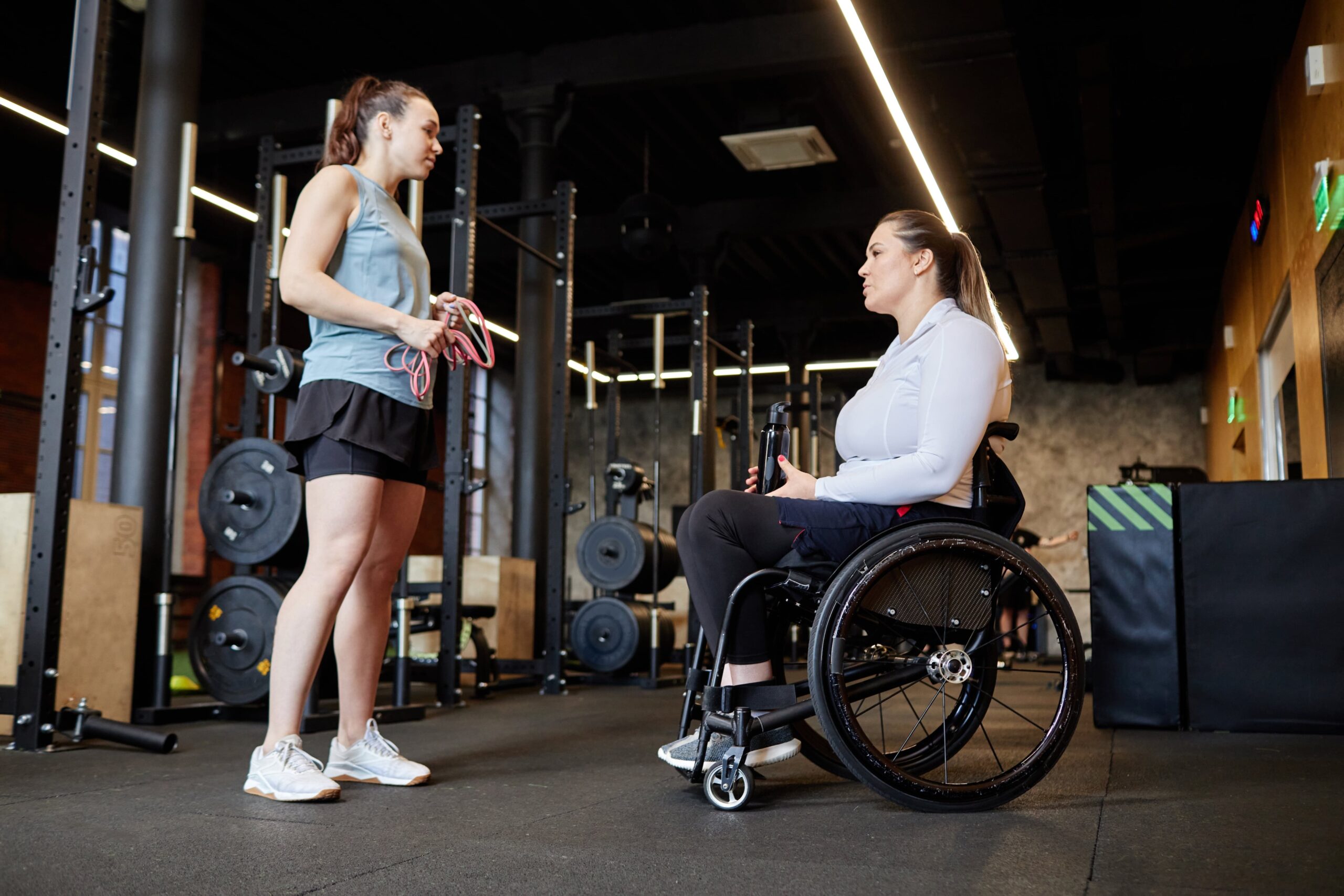
Managing staff schedules at gyms and fitness studios in Savannah, Georgia presents unique challenges that require flexible solutions. In the vibrant fitness industry of this historic coastal city, owners and managers must balance instructor availability, peak client attendance hours, and seasonal tourism fluctuations. Shift swapping has emerged as a crucial strategy for small fitness businesses to maintain adequate staffing while accommodating the personal needs of their employees. This practice allows fitness professionals to trade scheduled shifts with colleagues when personal conflicts arise, ensuring classes and training sessions remain covered without management having to scramble for last-minute replacements. With Savannah’s growing fitness scene and competitive job market, implementing an effective shift swapping system has become essential for retaining quality staff and maintaining exceptional client experiences.
The distinctive nature of Savannah’s fitness industry—with its mix of traditional gyms, boutique studios, and outdoor fitness options catering to both locals and tourists—means that scheduling flexibility isn’t just a perk but a necessity. Fitness professionals often work at multiple locations or balance their gym responsibilities with other careers, making conflict inevitable. Smart shift swapping protocols can transform these scheduling challenges from administrative headaches into opportunities for increased staff satisfaction and operational efficiency. By understanding the specific needs of Savannah’s fitness market and implementing tailored shift swapping solutions, small gym and studio owners can create a more adaptable, responsive business that thrives in this unique environment.
Understanding Shift Swapping in Fitness Studios
Shift swapping in gyms and fitness studios refers to the practice where instructors, trainers, front desk staff, and other employees can exchange their scheduled work hours with colleagues when they’re unable to work their assigned shifts. This scheduling flexibility is particularly important in Savannah’s fitness industry, where many professionals work part-time or at multiple facilities across the city. Understanding how shift swapping functions and its place in your business operations is the first step toward implementing an effective system.
- Basic Concept: Employees trade scheduled shifts with qualified colleagues without management needing to completely rewrite schedules.
- Formalized Process: Effective shift swapping requires clear protocols, not just informal agreements between staff members.
- Qualification Matching: Ensures that employees swapping shifts have similar qualifications and certifications required for specific classes or roles.
- Approval Workflow: Most systems require management approval before shift changes are finalized to maintain proper staffing levels.
- Documentation: All shift swaps should be properly documented for payroll, compliance, and accountability purposes.
In Savannah’s fitness landscape, shift swapping has evolved from casual text messages between coworkers to more structured systems. Modern shift marketplace platforms have transformed this process, allowing employees to post shifts they need covered and colleagues to claim them based on availability and qualifications. This approach works exceptionally well in the fitness industry, where instructors often have specialized certifications for particular class types, and studios need to ensure clients receive consistent service quality regardless of last-minute staff changes.

Benefits of Effective Shift Swapping for Gyms in Savannah
Implementing structured shift swapping in your Savannah fitness business offers numerous advantages beyond simple scheduling convenience. In a city where work-life balance is highly valued and the fitness industry faces significant seasonal fluctuations due to tourism, these benefits become even more pronounced. A well-designed shift swapping system can transform your business operations and employee satisfaction levels.
- Increased Employee Satisfaction: Staff members gain greater control over their schedules, allowing them to balance work with personal commitments.
- Reduced Absenteeism: When employees have a legitimate way to handle conflicts, they’re less likely to call out at the last minute.
- Lower Turnover Rates: Schedule flexibility is a key retention factor, especially in Savannah’s competitive fitness job market.
- Improved Class Coverage: Gaps in the schedule are filled more efficiently, ensuring classes and training sessions remain staffed.
- Enhanced Client Experience: Consistent coverage means members don’t experience the disappointment of canceled classes or sessions.
According to fitness industry research, schedule flexibility ranks among the top factors influencing job satisfaction for fitness professionals. In Savannah specifically, where many instructors also work in the tourism or hospitality industries, this flexibility becomes even more crucial during peak tourist seasons. By implementing a streamlined shift swapping system, gym owners can create an environment where employees feel valued and supported, which ultimately translates to better member experiences and stronger business performance.
Common Challenges in Gym Shift Management
Despite the clear benefits, implementing shift swapping in Savannah fitness businesses comes with several challenges that owners and managers must navigate. Understanding these obstacles is essential for developing effective solutions that work for your specific business model and staff composition. Savannah’s unique fitness market—with its mix of established gyms, boutique studios, and seasonal demand fluctuations—presents particular scheduling complexities.
- Qualification Mismatches: Ensuring that employees who swap shifts have appropriate certifications for specialized classes or roles.
- Communication Breakdowns: Informal swap arrangements that aren’t properly communicated to management can lead to confusion.
- Overtime Concerns: Shift swaps can inadvertently push employees into overtime, creating unexpected payroll expenses.
- Fairness Issues: Without clear policies, shift swapping can create perception problems about favoritism or unequal opportunities.
- Tracking Difficulties: Manual systems make it challenging to maintain accurate records for accountability and payroll purposes.
Savannah’s fitness businesses often face additional challenges related to seasonal tourism patterns, with staffing needs fluctuating significantly between peak and off-peak seasons. This variability makes consistent scheduling even more difficult. Modern employee scheduling solutions can help address these challenges by providing structured frameworks for shift swaps while maintaining necessary oversight. By implementing clear protocols and leveraging appropriate technology, gym owners can minimize these common pain points and create more stable scheduling environments.
Implementing a Shift Swapping System
Creating an effective shift swapping system for your Savannah fitness business requires careful planning and clear communication. The implementation process should be methodical, with considerations for your specific business needs, staff composition, and operational requirements. Following a structured approach ensures that your new system enhances rather than complicates your scheduling processes.
- Policy Development: Create clear written guidelines defining how shift swaps should be requested, approved, and documented.
- Qualification Mapping: Identify which staff members can cover specific roles based on certifications, experience, and training.
- Approval Workflow: Establish a consistent process for reviewing and approving shift swap requests.
- Notification System: Determine how shift changes will be communicated to all affected parties, including other staff members.
- Timeline Requirements: Set minimum advance notice for swap requests to prevent last-minute scrambling.
When implementing your system, consider Savannah’s specific fitness industry characteristics. Many local studios have found success by creating tiered approval processes, where routine swaps between similarly qualified staff require minimal oversight, while more complex changes receive additional scrutiny. Incorporating a team communication platform into your system can significantly improve transparency and reduce confusion. During implementation, gather feedback from your staff about what would make the process most effective for them, as they’ll be the primary users of whatever system you establish.
Technology Solutions for Shift Swapping
In today’s digital environment, Savannah fitness businesses have access to numerous technology solutions that can streamline the shift swapping process. Moving beyond basic text messages or social media groups, these specialized tools offer comprehensive features designed specifically for workforce management in service industries like fitness. The right technology can transform shift swapping from a chaotic, manual process into a streamlined, efficient system.
- Dedicated Scheduling Apps: Platforms like Shyft offer specialized tools designed specifically for shift work environments.
- Mobile Accessibility: Solutions with mobile apps allow staff to manage shift swaps from anywhere, perfect for fitness professionals constantly on the move.
- Qualification Filtering: Advanced systems automatically display only qualified candidates for specific shift coverage needs.
- Integrated Notifications: Automated alerts inform all affected parties when shifts change hands.
- Payroll Integration: Systems that connect with payroll software ensure accurate compensation despite schedule changes.
When selecting a technology solution, consider the specific needs of your Savannah fitness business. Features like mobile access are particularly important in the fitness industry, where instructors are rarely sitting at desks. Many Savannah gyms have found success with platforms that offer a shift marketplace approach, where open shifts can be posted and claimed based on availability and qualifications. The investment in appropriate technology typically pays for itself through reduced administrative time and fewer scheduling errors, while also providing valuable data about staffing patterns over time.
Best Practices for Shift Swapping in Fitness Studios
Implementing a successful shift swapping system in your Savannah fitness business requires more than just selecting the right technology—it necessitates thoughtful policies and practices that align with your business goals and culture. These best practices help ensure that your shift swapping system enhances operations rather than creating new problems, while respecting the unique characteristics of Savannah’s fitness industry and workforce.
- Clear Documentation: Maintain detailed records of all shift changes for accountability, payroll, and conflict resolution purposes.
- Advance Notice Requirements: Set reasonable minimum timeframes for swap requests to prevent last-minute disruptions.
- Qualification Verification: Establish systems to verify that substitutes have appropriate certifications for specialized roles.
- Regular Policy Review: Periodically assess and update your shift swapping policies based on emerging patterns and challenges.
- Transparency: Ensure all employees understand how shift swapping works and have equal access to opportunities.
Savannah’s fitness businesses have found that creating a culture of responsibility around shift swapping is essential. Managing shift changes effectively requires balancing flexibility with accountability, making it clear that while the business supports work-life balance through scheduling flexibility, employees remain responsible for their scheduled shifts until properly transferred. Some local studios have implemented peer evaluation systems, where reliable shift swap partners are recognized, creating positive reinforcement for responsible behavior. Additionally, integrating employee self-service options empowers staff while reducing management overhead in the scheduling process.
Legal Considerations for Savannah Businesses
Fitness businesses in Savannah must navigate various legal considerations when implementing shift swapping systems. Georgia’s employment laws, along with federal regulations, create a framework that businesses must operate within, even when offering flexible scheduling options. Understanding these legal parameters helps prevent potential compliance issues while still providing the scheduling flexibility that staff members value.
- Overtime Compliance: Ensure shift swaps don’t inadvertently push employees over 40 hours in a workweek without appropriate overtime compensation.
- Record-Keeping Requirements: Maintain accurate documentation of actual hours worked for payroll and Department of Labor compliance.
- Equal Opportunity: Administer shift swapping policies consistently to avoid discrimination claims.
- Minor Employment Restrictions: Apply special attention to shift swaps involving employees under 18, who have additional work hour restrictions.
- Meal and Rest Break Compliance: Ensure shift changes don’t violate Georgia’s provisions regarding employee breaks.
While Georgia doesn’t have specific predictive scheduling laws that some other states have implemented, Savannah fitness businesses should still establish clear policies governing schedule changes. Many local gyms have found success by implementing compliance with health and safety regulations checks in their shift swapping approval process, ensuring that all staffing changes maintain appropriate supervisor coverage and certified personnel for specialized equipment areas. Additionally, incorporating legal compliance reviews into your scheduling system helps prevent potential violations that could result in penalties or liability issues.

Staff Training for Effective Shift Swapping
Even the most well-designed shift swapping system will fail without proper training and ongoing education for your fitness staff. In Savannah’s dynamic fitness industry, where staff turnover can be high and many employees work at multiple facilities, thorough training is essential to ensure everyone understands and correctly follows your shift swapping procedures. Investing time in staff education pays dividends through smoother operations and fewer scheduling problems.
- Initial Onboarding: Include comprehensive shift swap training in your new hire orientation process.
- Technology Tutorials: Provide hands-on training for any scheduling software or apps your business uses.
- Process Walkthroughs: Create step-by-step guides that clearly outline how to request, accept, and complete shift swaps.
- Responsibility Clarification: Clearly communicate who bears responsibility for shifts at each stage of the swap process.
- Refresher Sessions: Schedule periodic review sessions to address common questions and reinforce protocols.
Many Savannah fitness businesses have found success by implementing peer-to-peer training models, where experienced staff help coach newer employees on proper shift swapping procedures. Creating accessible reference materials, such as quick-guide cards or mobile-friendly digital resources, helps reinforce training and provides just-in-time support when questions arise. For multi-location operations, consider developing standardized training programs and workshops that ensure consistent understanding across all facilities. Additionally, incorporating communication skills for schedulers into your training helps prevent misunderstandings that often lead to scheduling conflicts.
Measuring Success and Continuous Improvement
Implementing a shift swapping system isn’t a one-time project but an ongoing process that requires regular assessment and refinement. For Savannah fitness businesses, measuring the effectiveness of your shift swapping protocols helps identify areas for improvement and demonstrates the value these systems bring to your operation. Establishing clear metrics and feedback mechanisms ensures your shift swapping practices continue to evolve with your business needs.
- Key Performance Indicators: Track metrics like shift coverage rates, last-minute vacancy percentages, and administrative time spent on scheduling.
- Employee Satisfaction: Regularly survey staff about their experiences with the shift swapping system and areas for improvement.
- Policy Compliance: Monitor adherence to established protocols and address recurring issues promptly.
- System Adoption: Measure how frequently and effectively employees utilize the shift swapping tools provided.
- Client Impact: Assess whether improved scheduling flexibility translates to better client experiences and fewer service disruptions.
Successful Savannah fitness businesses approach shift swapping with a continuous improvement mindset. Regularly reviewing schedule efficiency analytics helps identify patterns and opportunities for system refinement. Many local gyms have implemented quarterly review processes where they assess their scheduling practices and make necessary adjustments. Creating feedback channels where staff can suggest improvements often yields valuable insights from those most directly affected by these policies. Additionally, staying informed about emerging trends in scheduling software ensures your business leverages the most effective tools available for your specific needs.
Adapting to Savannah’s Unique Fitness Market
Savannah’s fitness industry has distinct characteristics that require tailored approaches to shift swapping. The city’s tourism patterns, seasonal fluctuations, and unique workforce demographics create scheduling challenges not found in other markets. Understanding these local factors helps fitness businesses develop shift swapping systems that address Savannah-specific needs while maximizing operational efficiency and staff satisfaction.
- Tourism Seasonality: Adapt shift swapping policies to accommodate increased staffing needs during Savannah’s peak tourist seasons.
- Multiple Employer Considerations: Create flexible systems that work for fitness professionals who teach at multiple facilities across the city.
- Student Workforce: Develop policies that accommodate the academic schedules of staff from SCAD, Savannah State, and other local institutions.
- Weather Contingencies: Build flexibility for hurricane season and other weather events that may affect staff availability.
- Local Event Calendars: Consider major Savannah events (like St. Patrick’s Day festivities) that impact staffing needs and availability.
Successful fitness businesses in Savannah have found that implementing flexible scheduling options specifically designed for their local context yields the best results. Many studios have created specialized seasonal protocols that adjust shift swapping requirements during peak tourism periods versus quieter months. Incorporating strategies for adapting to change into your scheduling systems helps your business remain agile in Savannah’s dynamic environment. Additionally, considering work-life balance initiatives that reflect local values and lifestyle priorities can significantly enhance staff retention and satisfaction.
Conclusion
Implementing an effective shift swapping system offers significant benefits for small fitness businesses in Savannah, Georgia. By providing scheduling flexibility while maintaining operational stability, these systems enhance employee satisfaction, reduce administrative burdens, and ensure consistent client experiences. The key to success lies in developing clear policies, selecting appropriate technology solutions, providing thorough staff training, and regularly evaluating and refining your approach. When properly implemented, shift swapping transforms from a potential scheduling headache into a valuable tool that strengthens your business.
For Savannah’s fitness studios and gyms, the most successful shift swapping implementations acknowledge the unique characteristics of the local market—from tourism seasonality to the prevalence of multi-facility instructors. By creating systems that balance flexibility with accountability, businesses can create win-win scenarios where staff enjoy greater work-life balance while operations maintain necessary coverage and quality standards. As workforce expectations continue to evolve, offering structured scheduling flexibility through well-designed shift swapping protocols will increasingly become not just a nice-to-have perk but an essential component of competitive, sustainable fitness businesses in Savannah’s dynamic market.
FAQ
1. What are the legal requirements for shift swapping at fitness businesses in Savannah?
While Georgia doesn’t have specific predictive scheduling laws, fitness businesses in Savannah must ensure shift swaps comply with federal labor laws regarding overtime, record-keeping, and equal opportunity. All hours worked must be accurately recorded regardless of shift changes, and overtime must be paid when employees exceed 40 hours in a workweek. Additionally, shift swapping policies must be applied consistently to avoid discrimination claims. For employees under 18, special attention must be paid to ensure shift changes don’t violate minor employment restrictions. Maintaining thorough documentation of all shift swaps is essential for both compliance and payroll accuracy.
2. How can Savannah fitness studios address qualification mismatches when implementing shift swapping?
Addressing qualification mismatches begins with detailed skills mapping for all staff members. Create comprehensive profiles documenting each employee’s certifications, specializations, and capabilities. Implement a system that only allows shifts to be swapped between appropriately qualified individuals, whether through technology filters or management approval processes. Consider creating qualification tiers or categories to streamline matching. For specialized roles like group fitness instructors, maintain updated certification records and class-specific qualifications. Regular skills assessments and training opportunities help expand the pool of qualified substitutes, creating more flexibility in your shift swapping system while maintaining service quality standards.
3. What technology solutions work best for small fitness businesses in Savannah?
For small fitness businesses in Savannah, the ideal technology solutions balance functionality with affordability and ease of use. Cloud-based scheduling platforms like Shyft offer specialized features for service businesses without requiring extensive IT support. Look for solutions with mobile accessibility, as fitness professionals are rarely at desks. Key features should include qualification matching, approval workflows, notification systems, and simple user interfaces. Integration capabilities with existing systems (like payroll or member management software) add significant value. Many Savannah businesses find success with platforms offering tiered pricing models that can scale as their operations grow, starting with basic functionality and adding features as needed.
4. How can fitness studios accommodate seasonal fluctuations in Savannah’s tourism market?
Accommodating Savannah’s tourism seasonality requires proactive planning and flexible systems. Develop separate staffing strategies for peak tourist seasons (spring and fall) versus slower periods, adjusting staff-to-client ratios accordingly. Create a larger pool of on-call or part-time staff during high seasons who can quickly fill shift gaps. Consider implementing seasonal shift swapping protocols—perhaps more stringent during busy periods and more flexible during slower months. Use historical data to anticipate seasonal patterns and adjust scheduling practices proactively. Some studios create “season teams” with staff who prefer consistent hours during specific times of year, supplemented by flexible staff who can adapt to changing needs throughout Savannah’s tourism cycle.
5. What are the best practices for training staff on shift swapping procedures?
Effective staff training for shift swapping begins with comprehensive onboarding for new hires and regular refreshers for existing team members. Create clear, accessible documentation with step-by-step guides, including visual elements like screenshots or videos. Implement hands-on training sessions where staff practice using your shift swapping system with real-world scenarios. Establish a mentorship approach where experienced employees help guide newer staff through the process. Clearly communicate the consequences of improper shift swapping and emphasize individual responsibility. Develop quick-reference materials that staff can access when questions arise, and create feedback channels for process improvement suggestions. Regular check-ins and periodic training updates help maintain system integrity as your business evolves.







